
"A Blind Horse Frightens Itself": A Proverb for Aging, Legacy, and Elder Law...
- CONNELLY LAW
- Apr 19
- 8 min read

The ancient Chinese proverb “A blind horse frightens itself” offers a poignant metaphor for the uncertainties and anxieties that often accompany aging. "Much like the horse, unaware of its surroundings and easily startled by shadows, older adults can find themselves troubled by fears that arise from not being able to see clearly into their future," stated professional fiduciary and certified elder law Attorney RJ Connelly III. "These anxieties—ranging from concerns about legacy, financial security, to health—can feel overwhelming when preparation is lacking, turning the passage of time into an uncertain terrain."
Philosophically, this proverb invites us to consider the roots of our fears. Aging, by its very nature, brings with it a sense of vulnerability. The unknown looms larger, and without the comfort of foresight, every rustle or whisper can seem like a threat. Our minds, much like the blind horse, conjure dangers where none may exist, and in doing so, we can become trapped in cycles of worry that cloud our emotional well-being. The process of growing older is not merely a physical journey, but an existential one—filled with questions about our worth, the impact we leave behind, and the quality of our remaining years.

The image of the blind horse is deeply descriptive. It moves hesitantly, ears attuned to the slightest sounds, muscles tense, ready to flee from imagined hazards. In this way, it mirrors the experience of many older adults, who may feel unsettled by the complexities of estate planning, rising healthcare costs, or the fragility of their own bodies. The horse’s blindness is not only literal, but symbolic—representing the lack of information or preparedness that makes each step forward fraught with anxiety.
Attorney Connelly reminds us, “Preparation is the antidote to fear. When we take proactive steps to plan our legacy, secure our finances, and address health concerns, we regain control over our future.” He goes on to say, “Aging need not be a time of worry. With the right guidance and foresight, what once seemed frightening can become a source of peace and comfort.” These words underscore the importance of professional counsel and early planning in transforming the experience of aging from one of apprehension to assurance.
Unraveling the Proverb: The Perils of Uncertainty in Aging
Chinese wisdom, rich in observation and nuance, teaches us that fear often comes not from real threats, but from not knowing what lies ahead. This insight reveals that uncertainty is at the heart of many anxieties, embodying the ancient belief that “a clear mind sees far.” For those embarking on the journey of aging, uncertainty can be especially daunting. Not only does the future seem shrouded in mystery, but the path itself grows more complex as one’s faculties gradually change.

Health can decline unexpectedly, financial resources may dwindle, and family relationships can be strained by tough decisions. These challenges are compounded when the elder’s intentions remain obscure. When elders lack clear directives, families are left to guess, leading to emotional turmoil and, at times, legal conflict. In the absence of guidance, uncertainty becomes a heavy burden shared by all, creating rifts where harmony once existed.
The “blind horse” thus symbolizes the elder who charges ahead without guidance, and the family struggling to find a path in the absence of clarity. In traditional Chinese philosophy, the blind horse is not simply reckless; it is a metaphor for those who move forward blindly, driven by habit or necessity, rather than wisdom. The family, meanwhile, becomes like travelers lost in a fog, searching for signposts that do not exist.
This scenario illustrates how clarity of intention and communication is not merely a practical matter, but a profound act of compassion—one that brings peace, prevents misunderstanding, and honors the interconnectedness of all generations. Ultimately, the lesson suggests that wisdom lies in illuminating the path ahead, dispelling fear, and fostering unity so that both elders and their families may walk together with confidence and understanding.
The Real-World Risks: Financial, Medical, and Emotional Fallout
The consequences of neglecting legacy and elder care planning can be severe and far-reaching. Without proper documentation—such as wills, powers of attorney, healthcare proxies, and trusts—assets may be lost to taxes, probate costs, or unforeseen medical expenses. As Attorney Connelly warns, “I have seen estates dissipate almost overnight simply because critical decisions weren’t made ahead of time. Families are left devastated, both financially and emotionally.”

Medical crises bring their own set of challenges. When an elder’s wishes for treatment or end-of-life care are undocumented, loved ones may have to make agonizing choices, often in high-stress situations. “Advance directives spare families from the burden of uncertainty,” notes Connelly. “They allow elders to retain dignity and autonomy, even in moments when they cannot communicate their preferences.” Without these plans, families may be divided, experiencing guilt or regret over their decisions.
The emotional impact can be profound. Adult children, spouses, and grandchildren may be thrust into difficult roles as caretakers, decision-makers, or even legal adversaries, all while mourning the loss of independence or the passing of loved ones. The absence of clear instructions creates confusion, sometimes leading to fractured relationships and lasting sorrow.
In many cases, family members may struggle with enduring feelings of guilt, questioning whether the choices they made were truly in their loved one's best interest, and wondering whether they could have done things differently. This persistent self-doubt can add another layer of emotional turmoil, making the grieving process even more complicated and painful. “The pain of uncertainty is avoidable,” says Connelly. “It is a kindness to your family to offer clarity.”
Elder Law: A Roadmap for Security and Family Legacy
Elder law provides the tools and guidance necessary to navigate these complex issues. More than just estate planning, it encompasses Medicaid strategies, guardianship arrangements, protection against elder abuse, and retirement planning. By consulting with experts, elders can address their unique needs and ensure their assets, values, and wishes are preserved. “Elder law is about empowering the individual,” emphasizes Attorney Connelly. “It’s not simply legal documents—it’s the foundation of peace and security for both the elder and their family.”
Estate planning: Wills and trusts are essential legal tools that empower elders to clearly outline their wishes regarding the distribution of their property, finances, and personal belongings. By specifying exactly who will inherit their assets and under what conditions, these documents help avoid misunderstandings and potential conflicts among family members or beneficiaries. Furthermore, they provide peace of mind by ensuring that an elder’s values, intentions, and cherished possessions are honored, preserving their legacy for future generations.

Healthcare directives: Advance directives, living wills, and powers of attorney are important legal documents that help ensure your healthcare wishes are respected when you are unable to communicate them yourself. These tools not only outline your preferences for medical treatment—such as life-support measures or pain management—but also designate trusted individuals to make decisions on your behalf. By clearly specifying your choices and appointing advocates, these documents reduce confusion and stress for your loved ones and healthcare providers during critical moments.
Guardianship: Legal arrangements serve as a safeguard for individuals who may lose the ability to make decisions for themselves due to illness, injury, or aging. These provisions ensure their physical and financial well-being by establishing clear mechanisms for trusted parties to manage their affairs responsibly. In addition, such arrangements are designed to prevent exploitation, abuse, or neglect, offering protection and peace of mind to affected individuals and their loved ones.
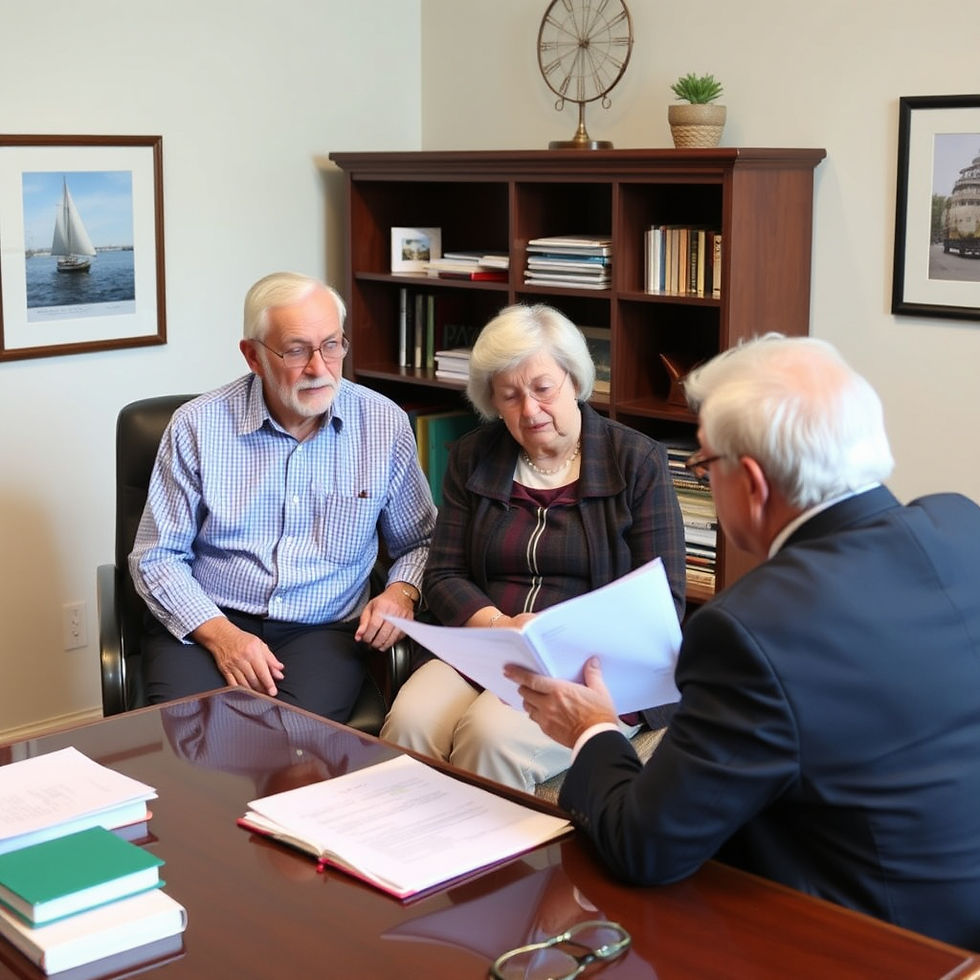
Medicaid planning: This involves a variety of strategies designed to help individuals access long-term care services—such as nursing homes or assisted living—while preserving family assets and resources. These strategies may include restructuring assets, setting up trusts, gifting, and carefully timing financial transactions to meet Medicaid eligibility requirements. By using such approaches, families can ensure their loved ones receive the necessary care without sacrificing their financial security or inheritance.
Protection from abuse: Elder law attorneys play a vital role in protecting older adults by carefully assessing potential threats to their well-being, such as financial exploitation, undue influence, and emotional abuse. They work closely with clients and their families to create personalized legal strategies and establish safeguards—like powers of attorney, trusts, and advance directives—that help prevent mistreatment, secure assets, and promote peace of mind for both seniors and their loved ones.
Connelly stresses, “Planning ahead is the greatest gift you can give your loved ones. It turns uncertainty into reassurance and confusion into clarity.” His decades of experience reveal that families who engage in early, comprehensive planning are spared the agony of crisis decision-making. “The conversations you have today create security for tomorrow,” he affirms.
The Ravages of Declining Health: Why Proactive Planning Matters
Aging brings inevitable changes—physical, cognitive, and emotional. Chronic illness, dementia, and mobility loss may arrive without warning, radically altering an elder’s ability to manage finances or communicate wishes. Without a plan, these changes often force families into emergency mode, scrambling to locate documents or make arrangements under duress.

Proactive elder law planning ensures that transitions are smooth and dignified. “When elders put plans in place while they are healthy, they protect themselves and those they love from unnecessary hardship,” says Attorney Connelly. “It’s about maintaining control and dignity, and safeguarding family harmony.” He recounts countless cases in which advance planning enabled elders to enjoy their later years, confident that their legacies and well-being were secure.
When elders embrace comprehensive planning, the benefits are transformative. They enjoy peace of mind, knowing their wishes will be honored and their assets protected. Families are relieved from the weight of uncertainty, free to focus on cherishing time together, rather than resolving crises. “A well-crafted plan preserves not only wealth, but relationships,” Attorney Connelly observes. “It’s the difference between families that cling together and those that are torn apart by confusion.”
Planning also provides flexibility. With legal strategies in place, elders can accommodate changes in health, finances, or family circumstances without fear. “Successful planning is dynamic, not static,” says Connelly. “It adapts to life’s winds, ensuring support and security regardless of what comes.”
To conclude on an uplifting note, consider the Chinese proverb: “When the winds of change blow, some build walls, others build windmills.” This wisdom reminds us that, while aging brings inevitable change, those who prepare harness these winds for progress and growth. Elder law and legacy planning are the windmills—empowering elders and families to face the future with confidence, hope, and unity.
A Final Word
As Attorney Connelly notes, “Planning is about nurturing a sense of tranquility for yourself and your loved ones. Through such intentional efforts, we empower ourselves to face the unknown with courage, converting the blind horse’s anxiety into graceful acceptance."
Ultimately, the journey toward emotional and financial health in aging is grounded in preparation and reflection. By embracing foresight, older adults, families, and caregivers can foster peace, protect legacies, and nurture a compassionate outlook on life’s final chapters. The proverb reminds us: the greatest fright comes from what we cannot see—yet through wisdom and planning, we can illuminate our path and find calm beyond the fear.

The materials and information presented in this blog are intended solely for general informational purposes and should not be interpreted as legal, financial, or healthcare advice. The content may not reflect the latest developments, regulations, or best practices in these fields, and as such, should not be relied upon for making personal or professional decisions. This blog may include links to third-party websites provided strictly for the convenience of our readers; Connelly Law neither endorses nor guarantees the accuracy or reliability of external content. Case studies shared herein are anonymized, contain no identifying information, and may be amalgamated from multiple cases for illustrative purposes only. Given the complexities of legal, financial, and healthcare matters, we strongly recommend consulting a qualified attorney, a professional fiduciary advisor, or a healthcare provider for guidance tailored to your specific circumstances. Your well-being and ability to make informed decisions remain our utmost priority.



Comments