
Shining Light on Solar Panel Companies: Protecting Elderly Homeowners
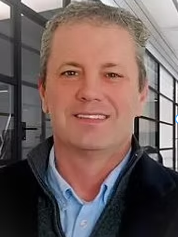
Solar panels promise lower energy bills and a greener planet, but not every offer is as bright as it seems. Across the United States, elderly individuals are increasingly targeted by companies involving solar panel installations. Professional fiduciary and certified elder law Attorney RJ Connelly III warns that high-pressure sales representatives exploit seniors' desire for energy savings by employing aggressive tactics and providing misleading information. These individuals exploit seniors’ desire for savings and their trust in friendly salespeople, often resulting in financial loss and emotional distress.
"Unfortunately, in most states, deceptive practices related to solar panel companies are primarily treated as consumer fraud issues rather than as cases of elder financial abuse," said Attorney Connelly. "This distinction can make it especially challenging for seniors, as it often leads to a lengthy, complicated, and bureaucratic process before state authorities can intervene. As a result, senior advocates and those dedicated to protecting the legal rights of older adults frequently find themselves unable to take the direct, targeted actions needed to safeguard this vulnerable population. It is deeply concerning that seniors, who deserve special consideration and protection, are left navigating such hurdles when they are most in need of support and advocacy."
In today's blog, we will explore how these salesmen operate, identify key warning signs, and provide guidance on where to seek help. Staying informed and proactive is essential not only for seniors and their caregivers, but also for anyone in the community who may be at risk or want to support loved ones.
Why the Elderly Are Targeted
Beyond simply owning their homes, older adults often have accumulated savings and may be perceived by salespeople as having the financial means to afford expensive solar panel installations. Because many seniors are eager to reduce monthly expenses or invest in environmentally friendly options, they may be more receptive to offers promising long-term savings. However, these offers often come with aggressive sales pitches that exploit seniors’ desire to make wise financial choices for themselves and their families.

Pressure tactics used against seniors can include repeated phone calls, unexpected home visits, or misleading advertisements that exaggerate the benefits or conceal the risks of solar panel systems. Some salespeople present contracts with confusing terms, hidden fees, or unrealistic claims about government incentives.
Seniors who lack easy access to legal advice or consumer protection resources may feel overwhelmed and sign agreements without fully understanding the obligations or costs involved. This vulnerability is further compounded by the isolation some older adults experience, making them more susceptible to trusting strangers who pose as friendly advisors.
The Problems with Solar Panel Contracts
Solar panel contracts are often lengthy, filled with technical terms, and written in legal language that can be difficult for anyone to understand. The complexity is heightened for elderly homeowners, who may not be familiar with modern contract structures or renewable energy terminology. These contracts typically include clauses that restrict cancellation or impose hefty penalties for early termination, making it financially and legally challenging to get out of them.

Solar panel agreements often involve long-term commitments of 10 to 25 years. This extended duration is meant to ensure the company recoups its investment in the installation and equipment. Elderly homeowners may find themselves locked into contracts that far exceed their desired timeframe, especially if their living situation changes or they experience health issues. The inability to adjust or terminate the contract at a reasonable cost further complicates matters.
Most solar contracts include provisions for early termination fees, which can be substantial. These penalties are designed to discourage homeowners from prematurely exiting the agreement. For elderly individuals on fixed incomes, such fees can be prohibitive. Additionally, some contracts require homeowners to pay the remaining balance or cover the cost of equipment removal, further increasing the financial burden.
Many solar panel contracts involve third-party ownership, such as leases or power purchase agreements. This means the homeowner does not own the panels outright, complicating matters if they wish to sell their home or transfer the agreement. Buyers may be reluctant to assume the contract, and the transfer of ownership can be cumbersome and costly, making it difficult for elderly homeowners to exit or modify it.

Consumer protection laws regarding solar contracts vary by state and are often limited. Elderly homeowners may not have access to legal assistance or advocacy organizations that can help them understand their rights or negotiate an exit. Attorney Connelly warns, “Too often, seniors feel isolated when faced with dense legal paperwork. They’re up against companies that have teams of lawyers, while most have no one in their corner.”
Elderly homeowners may face additional challenges due to physical limitations or unfamiliarity with technology. Navigating the process of contract cancellation often requires phone calls, online forms, or written communication, which can be daunting for those with mobility issues, cognitive issues, or limited internet access. This barrier can delay or prevent attempts to exit the contract.
Common High-Pressure Tactics
Solar panel scams come in many forms, but certain tactics are used repeatedly against elderly homeowners. Being aware of these strategies is the first step to staying safe.
These salespeople often use aggressive sales techniques, urging seniors to make quick decisions. They may claim that offers are “limited time only” or that rebates will disappear soon. Attorney Connelly notes, “Pressure is their weapon. They want you to act before you have time to think or consult with someone you trust.”
These salespeople exaggerate the benefits of solar panels, promising unrealistically high savings or suggesting that panels are “free” because of government programs.
Seniors are sometimes tricked into signing complicated contracts with hidden fees, unclear terms, or lengthy finance agreements that can lead to years of debt. These salespeople may pretend to be associated with government agencies or utility companies to gain trust. In some cases, these individuals conduct sham home inspections or claim to have obtained permits that either don’t exist or aren't required.
Case Studies: Real Examples from Across the United States
Solar panel scams are not confined to one region; they occur nationwide. Here are several real cases that illustrate how seniors have been targeted and affected.
In Los Angeles, a group of seniors was approached by a company promising “free” solar panels. After installation, they discovered they had unknowingly signed up for a costly lease with escalating monthly payments. Several victims reported that the company used high-pressure tactics and misleading paperwork.

A retiree in Miami received multiple phone calls from a solar company claiming to represent the local utility. The salesperson insisted that the installation was mandatory and threatened disconnection of service if the homeowner refused. The retiree later learned that the utility had no such policy.
In Houston, a widowed homeowner was convinced to sign a contract after being told they qualified for a government grant. The grant turned out to be fake, and they were saddled with a $20,000 loan. The company vanished after installation, leaving them with faulty panels and no recourse.
A couple in Albany was persuaded to pay a large upfront fee for an “energy audit” that would unlock solar savings. No audit was performed, and the company disappeared with their money.
Elderly residents in Chicago reported door-to-door salespeople who pressured them into signing contracts for panels they didn’t need. Some were told their roofs would collapse without solar panels, a completely false claim.
Closer to Home: A Story of an Elderly Widow with Early Stage Dementia
In a peaceful Connecticut suburb, Suzanne, an elderly widow in her late seventies, had lived alone in her modest home for decades. The house, filled with memories and mementos of her late husband and children, was more than just a structure—it was her sanctuary. Recently diagnosed with dementia, Suzanne faced daily challenges with memory, decision-making, and understanding complex information. Her independence was precious to her, but it also made her susceptible to manipulation.

One afternoon, Suzanne answered her door to a sharply dressed salesperson representing a solar panel company. The representative was persistent, returning multiple times and employing high-pressure tactics. He insisted that she needed to “act quickly to lock in state rebates,” painting a picture of urgency and opportunity. Suzanne was bombarded with brochures, forms, and assurances that installing solar panels would drastically lower her energy bills and “save her thousands.” The paperwork was dense and confusing, filled with technical jargon and fine print. Despite her best efforts, Suzanne struggled to comprehend the details, relying on the salesperson’s repeated promises and her desire to be financially responsible.
Feeling overwhelmed but eager to make a good decision, Suzanne signed the documents presented to her. She believed she was agreeing to a simple installation that would benefit her financially. In reality, she had entered into a complex lease agreement for the solar panels, with a 25-year term. The contract contained escalating monthly payments, maintenance fees, and various clauses that she did not understand. The agreement allowed the solar company to place a lien on her home, securing their lease and ensuring their financial interests came first.
Shortly after the installation, Suzanne received mail confirming that a lien had been placed on her property. She soon realized that this lien meant she could not sell her home, refinance her mortgage, or access her home’s equity without first settling the costly lease. The escalating payments threatened her limited monthly income, and the lien jeopardized her financial future. As her confusion grew, she was unable to explain the situation to her family, who lived in the Midwest and had not been involved in her decision-making.

When Suzanne’s family finally learned about the solar panel lease, they were shocked and deeply frustrated. When they visited her home, they found her mailbox overflowing with confusing bills and legal notices. The family immediately tried to contact the solar company but encountered resistance: calls were repeatedly transferred between departments, emails went unanswered, and the company’s representatives provided vague, evasive responses. The family’s attempts to resolve the issue were met with bureaucratic obstacles and stonewalling.
Desperate for help, Suzanne’s family contacted Connecticut’s Department of Consumer Protection. They found that investigating the solar company was complicated; very few local attorneys had experience with solar panel contracts, and the company was headquartered out of state, making legal action more complex and expensive. Suzanne's dementia further complicated matters—she was unable to recall details, answer questions, or participate meaningfully in the dispute.
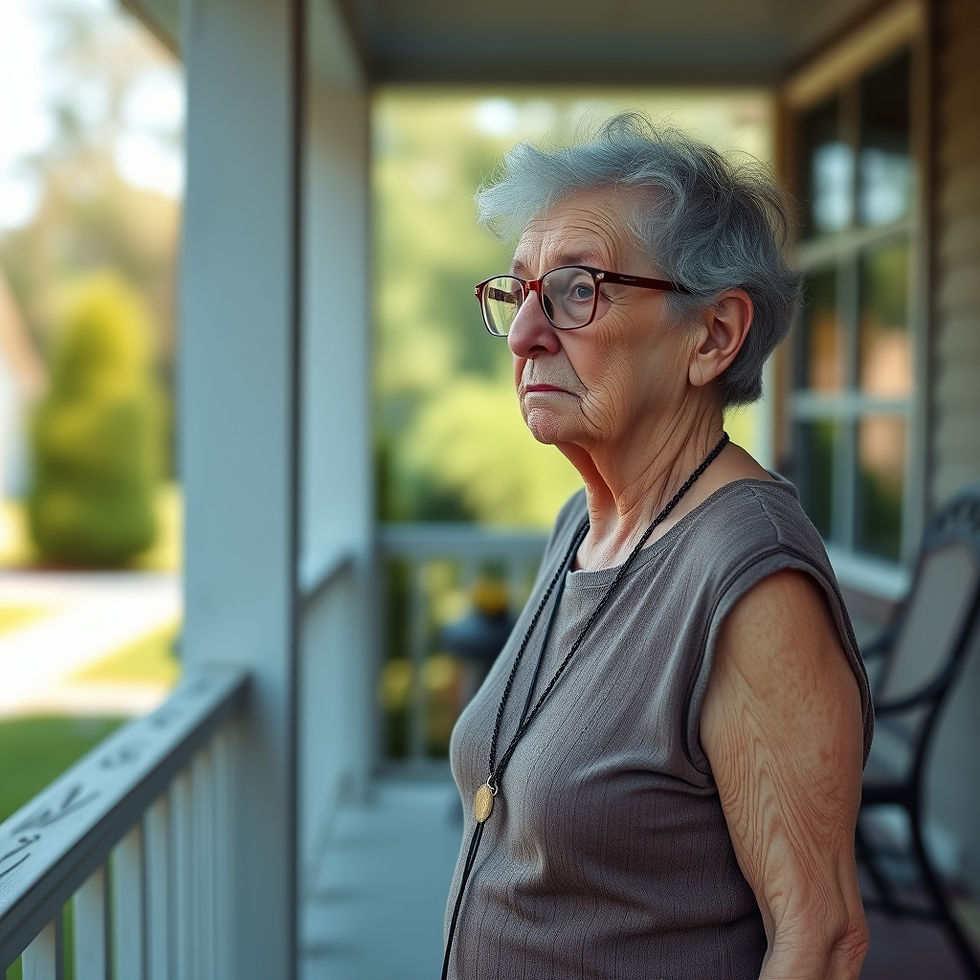
Unable to resolve the solar contract quickly, Suzanne's family was forced to spend months navigating regulatory agencies, seeking legal counsel, and appealing. The emotional and financial toll was immense. Not only was her financial security compromised, but her access to necessary healthcare was threatened as well.
The situation highlighted the vulnerability of elderly homeowners, particularly those with cognitive challenges, and underscored how easily deceptive companies can exploit them—and how hard it is to secure justice or undo the damage.
Suzanne’s ordeal serves as a cautionary tale for families, caregivers, and policymakers. It illustrates how predatory sales tactics, complex legal agreements, and bureaucratic hurdles can combine to devastate vulnerable individuals. Attorney Connelly emphasizes, “We need stronger regulations and clearer contract language across the country. Seniors shouldn’t need a law degree to protect their homes and finances.”
State Actions: Laws, Investigations, and Penalties
State governments are now responding to the rise in solar panel scams by enacting laws, investigating fraudulent companies, and imposing penalties. In California, the Public Utilities Commission and the Attorney General’s Office have launched investigations into deceptive solar sales practices.

New regulations require clearer contracts and mandate that companies disclose financing terms in plain language. Florida has passed legislation requiring solar salespeople to register and undergo background checks. The Attorney General has issued warnings and taken action against companies found to be engaging in fraud.
Texas now enforces stricter rules on solar installers, including licensing requirements and consumer complaint processes. Several companies have been fined for misleading elderly clients. In New York, the Department of Consumer Protection has prosecuted solar companies for fraudulent contracts and misleading advertising, and established hotlines and resources specifically for seniors. Illinois has launched consumer education campaigns and taken legal action against companies that target seniors with false claims, providing guidance for caregivers and families.
Lawmakers in Rhode Island, Massachusetts, and Connecticut are also moving to crack down on fraudulent solar panel companies that target seniors and consumers.
How to Protect Yourself
Anyone considering solar panels should proceed with caution. Take your time and avoid rushing into decisions. These people want quick commitments, so ask for written information and review it with someone you trust. Always verify credentials and check the company’s license with your state’s regulatory agency. Attorney Connelly urges, “Never sign anything without reading every word. If you don’t understand it, get help from someone who does.”
Research companies thoroughly, look up reviews and complaints, and contact your local Better Business Bureau for more information. Be wary of large upfront payments or fees for “audits” or “permits,” and watch for false affiliations. If someone claims to represent your utility or a government agency, call the agency directly to confirm. Seek a second opinion from family, friends, or other trusted advisors before making any decisions.
Resources and Assistance
If you suspect a scam or feel pressured to make a solar panel purchase, don’t hesitate to seek help. Below is a list of programs and organizations that can help:
The National Elder Fraud Hotline (1-833-372-8311) offers guidance from the U.S. Department of Justice.
The Federal Trade Commission (1-877-382-4357) and Consumer Financial Protection Bureau (1-855-411-2372) provide resources for reporting deceptive business practices and understanding your rights.
Seniors and caregivers can contact the AARP Fraud Watch Helpline (1-877-908-3360) for support and information about scams.
The Better Business Bureau (1-703-276-0100) is available to check business ratings and file complaints.
Each state has its own Attorney General’s hotline, and you can find yours by clicking here.
Each state also has a Consumer Protection Division. You can find your state's office here.
A Final Word
Solar panel fraud targeting the elderly is a growing concern, but knowledge and vigilance can prevent becoming a victim. By understanding common scam tactics, learning from real cases—including the harrowing story from Connecticut—and taking advantage of state protections and assistance, seniors and their families can safeguard their finances and peace of mind.
Attorney Connelly stresses, “Fraudulent and deceptive solar panel sales tactics must be treated not just as consumer protection issues, but as a form of elder financial abuse. Our laws need to evolve to address these schemes with stronger protections for older adults. Seniors deserve to feel safe, empowered, and supported. If you or someone you know feels pressured or suspects fraud, remember—these actions are more than consumer complaints; they are a crime against our elders. Reach out to the organizations listed above for help. Together, we can expose and end these harmful practices. Stay informed, stay cautious, and never hesitate to seek assistance.”

The materials and information presented in this blog are intended solely for general informational purposes and should not be interpreted as legal, financial, or healthcare advice. The content may not reflect the latest developments, regulations, or best practices in these fields, and as such, should not be relied upon for making personal or professional decisions. This blog may include links to third-party websites provided strictly for the convenience of our readers; Connelly Law neither endorses nor guarantees the accuracy or reliability of external content. Case studies shared herein are anonymized, contain no identifying information, and may be amalgamated from multiple cases for illustrative purposes only. Given the complexities of legal, financial, and healthcare matters, we strongly recommend consulting a qualified attorney, a professional fiduciary advisor, or a healthcare provider for guidance tailored to your specific circumstances. Your well-being and ability to make informed decisions remain our utmost priority.



Comments