
Social Security Death Notification: The Process of Agency Notification, Benefit Cessation, and Why Public Awareness Matters
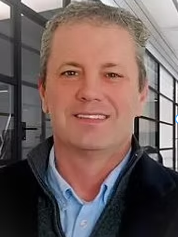
Connelly Law staff took part in a health fair yesterday in Pawcatuck, Connecticut, and an engaging discussion unfolded regarding the death of a loved one—specifically, who bears the responsibility of notifying authorities, making the Social Security death notification, and how that process actually works. What began as a straightforward comment quickly became a conversation filled with questions that we all should know and understand. “Many people assume the system will take care of itself, but in reality, families need to be proactive in making sure the right agencies are informed. It’s not just about following the law; it’s about protecting your loved one’s legacy and preventing future headaches,” said professional fiduciary and certified elder law Attorney RJ Connelly III.
Understanding how these agencies are informed, how benefits are stopped, and what actions are required of family members is essential for both peace of mind and legal compliance. This introduction sets the stage for our blog, which will explore in detail the process, responsibilities, and what happens when the system doesn’t work as seamlessly as expected.
How Agencies Learn About a Person’s Death: Social Security and Others
Social Security is often the first agency people think of when it comes to death notification. But how does Social Security actually find out when someone dies? In most cases, the notification comes through two main sources: funeral homes and local authorities. Funeral homes typically handle the paperwork after a death and submit a death report to Social Security electronically, which is the most common method. Local authorities, such as coroners or medical examiners, may also report deaths to government agencies as required.
Other agencies, such as Medicare, the Department of Veterans Affairs, and state benefit programs, may receive death information through interconnected databases or direct notification from Social Security. This system ensures that benefits are not paid to deceased individuals, but it can sometimes lead to delays or confusion when information is incomplete or not updated promptly.
Automatic Notifications: The Role of Funeral Homes and Authorities
Funeral homes play a central and highly coordinated role in the automatic notification process following a death. Upon confirmation of a passing, the funeral director carefully collects all relevant personal details, such as the decedent’s full name, Social Security number, and date of birth, as well as information about next of kin. This data is then entered into specialized electronic systems, which are integrated with government databases.

As part of the standard protocol, the funeral director submits the information directly to Social Security, initiating a formal notification that is securely transmitted. This electronic notification typically occurs within a few days, streamlining the process and minimizing delays for grieving families. The goal is to make this experience as seamless and stress-free as possible, so families do not have to handle paperwork or navigate complex administrative steps during an already difficult time.
In addition to the funeral home’s role, the county registrar or local government office often becomes involved by forwarding official death records to relevant agencies. These additional notifications help ensure that all necessary parties—such as Social Security, Medicare, and state departments—are promptly informed, further reducing the risk of administrative oversights or delays.
When Families Need to Notify Government Agencies
Although the automatic notification process covers much of the paperwork, families still have important responsibilities. If a death occurs outside the United States or when a funeral home isn’t involved, it may fall to the family to notify Social Security and other agencies directly. This means relatives must gather necessary documents, such as the death certificate and identification information, and contact the appropriate departments by phone, online, or in some cases, by letter.

Additionally, families should contact other organizations that provide benefits, such as pension funds, insurance companies, and state assistance programs. These entities often require separate forms and proof of death and may initiate their own review processes before benefits are adjusted or terminated.
“The timing of notification is crucial,” says Attorney Connelly. “Notifying agencies promptly prevents complications like benefit overpayments, which can result in demands for repayment. Ideally, families should ensure that notifications occur within days of the death.” Acting quickly not only avoids financial pitfalls but also streamlines the transition for surviving family members as they navigate legal, financial, and emotional matters. Prompt action helps agencies halt automatic payments and begin any survivor benefits, reducing stress and confusion during an already difficult time.
Stopping Benefits: How and When Agencies Act
Once Social Security receives a death notification, it acts quickly to stop monthly benefit payments. However, if the notification is delayed, benefits may continue to be paid out inadvertently. In such cases, Social Security will eventually request repayment for any funds disbursed after the date of death. Other agencies, such as Medicare and the Department of Veterans Affairs, follow similar procedures, relying on death records to determine when to cease benefits.

It’s important to note that agencies do not always notify families when benefits are stopped. The cessation typically occurs automatically, and families may only learn about it when they receive a letter or notice from the agency. This lack of communication can be surprising, especially if direct deposits or payments suddenly stop.
“Families should be proactive and check their financial accounts for any unexpected changes,” Attorney Connelly advises. “If benefits don’t stop as expected, contact the agency to avoid potential complications.”
Helpful Tips for Families: What to Expect and Who to Contact
Attorney Connelly recommends, “Keep a checklist and track each agency you notify. Even though much is handled automatically, taking these extra steps helps prevent oversights and protects your family from financial headaches.” Here is what should be on that checklist;
Confirm with the funeral home that they have notified Social Security and other relevant agencies.
If a funeral home is not involved, contact Social Security directly at 1-800-772-1213 or visit your local office.
Notify other benefit providers, such as life insurance companies, pension administrators, and state agencies.
Keep records of all communications and notifications sent.
Monitor bank accounts for changes in benefit payments and follow up promptly if payments continue after death.
Ask agencies for written confirmation that benefits have been stopped.
“The death notification process is designed to be straightforward, but families should not assume everything is handled perfectly every time,” says Connelly. “Mistakes can occur, especially if multiple agencies are involved or if the decedent was receiving benefits from several sources.”
A Final Word
Questions about Social Security death notification and benefit cessation are critically important for public awareness. Understanding the process helps families avoid financial pitfalls, legal complications, and unnecessary stress. The transition from death to benefit cessation involves both automatic and manual steps, and being informed empowers families to act confidently and responsibly. As Attorney Connelly wisely notes, “Knowledge is your best defense. The more you understand about the process, the better equipped you are to protect your family and honor your loved one’s legacy.”

The materials and information presented in this blog are intended solely for general informational purposes and should not be interpreted as legal, financial, or healthcare advice. The content may not reflect the latest developments, regulations, or best practices in these fields, and as such, should not be relied upon for making personal or professional decisions. This blog may include links to third-party websites provided strictly for the convenience of our readers; Connelly Law neither endorses nor guarantees the accuracy or reliability of external content. Case studies shared herein are anonymized, contain no identifying information, and may be amalgamated from multiple cases for illustrative purposes only. Given the complexities of legal, financial, and healthcare matters, we strongly recommend consulting a qualified attorney, a professional fiduciary advisor, or a healthcare provider for guidance tailored to your specific circumstances. Your well-being and ability to make informed decisions remain our utmost priority.



Comments