
Mental Health Awareness Month: Deepening Understanding, Strengthening Support, and Empowering Seniors to Thrive

May is recognized as Mental Health Awareness Month, offering an opportunity for communities, families, and individuals to elevate the conversation around mental wellness. "While mental health concerns are frequently addressed among younger individuals, it’s important to recognize that seniors face distinctive challenges requiring genuine compassion and understanding," shared professional fiduciary and certified elder law Attorney RJ Connelly III. "As people move into their golden years, they navigate significant transitions that can profoundly impact their emotional, cognitive, and social well-being. Supporting seniors through these changes with empathy and respect is essential to promoting their quality of life."
In today's blog, we delve into the complexities of mental health among seniors. We'll analyze current statistics, explore how living alone can affect emotional well-being, clarify the differences between mental health issues and dementia, and discuss the sensitive topic of suicide in older adults. Additionally, we'll highlight seniors' vulnerabilities to scams and provide families with actionable advice to support their loved ones. Our goal is to foster understanding and offer meaningful strategies for improving the quality of life for older adults.
Mental Health Statistics in Seniors: The Numbers Behind the Issue
Mental health disorders are prevalent among older adults, yet often underreported and undertreated. According to the Centers for Disease Control and Prevention (CDC), about one in five adults aged 55 or older experiences some type of mental health concern.

Depression affects nearly 7 million older Americans, yet only about 10% receive the treatment they need. Anxiety disorders are also widespread, manifesting as persistent worry, restlessness, and fear. The World Health Organization (WHO) reports that roughly 15% of adults aged 60 and above suffer from a mental disorder, with depression and dementia being the most common. Further, studies show that as many as 50% of nursing home residents exhibit symptoms of depression, often exacerbated by isolation, chronic illness, or loss of autonomy.
These numbers underscore the urgency of recognizing and addressing mental health needs in seniors, who may hesitate to seek help due to stigma or lack of awareness. “Mental health among older adults is a silent epidemic,” shares Attorney Connelly. “Far too often, seniors are dismissed or their symptoms attributed to aging, when in reality, they may be struggling with treatable conditions.”
The Impact of Living Alone on Senior Mental Health
For many seniors, living alone represents independence and self-sufficiency. However, it can also heighten the risk of social isolation and loneliness, which are major contributors to declining mental health. Social isolation not only affects mood and emotional well-being but can also lead to physical health problems such as increased blood pressure and weakened immune function.
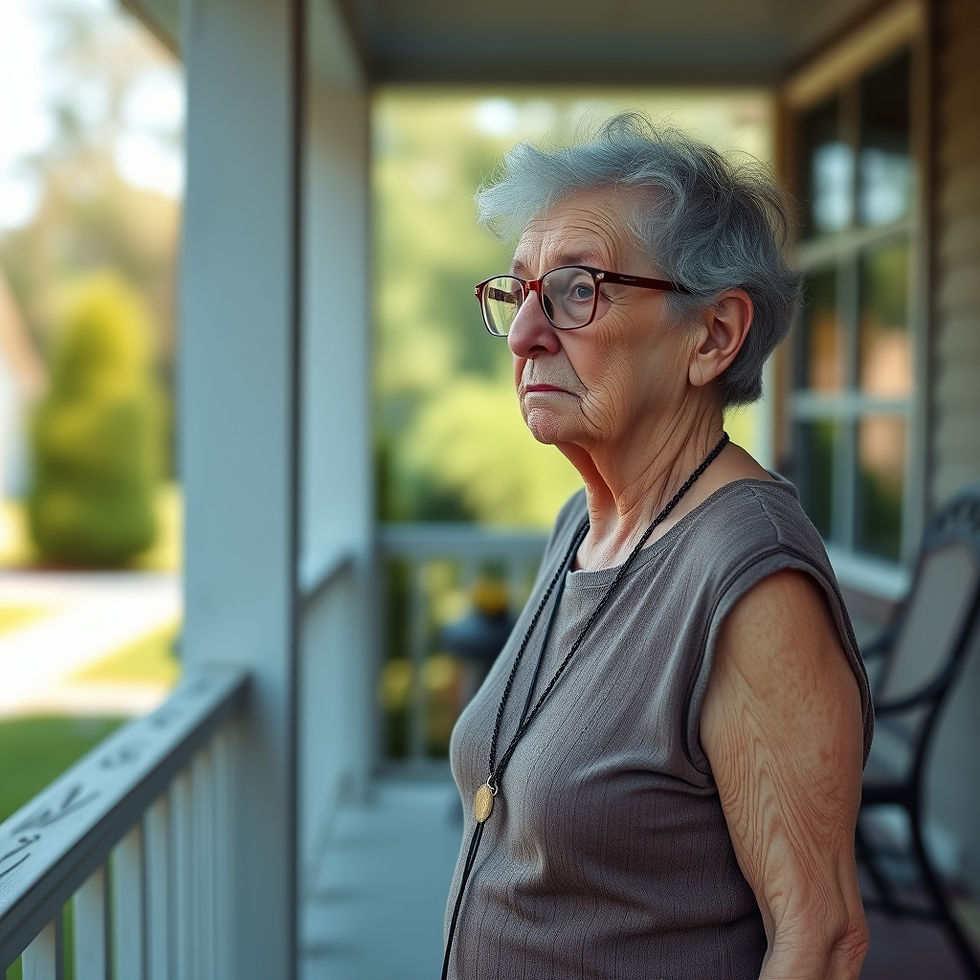
Seniors who live alone are less likely to engage in regular social interaction, which can result in emotional withdrawal, reduced motivation, and even clinical depression. “Living alone can be empowering, but it can also quietly erode a person’s sense of belonging,” explains Connelly. “Loneliness is not just a feeling—it’s a risk factor for depression, anxiety, and even physical decline.”
Further, the loss of a spouse, close friends, or siblings can intensify feelings of abandonment and deep loneliness, often leaving seniors with a profound sense of emptiness and isolation. In addition to these emotional challenges, seniors who live alone may find it increasingly difficult to manage everyday activities such as cooking, cleaning, and personal care. They might also be more likely to miss or forget important medical appointments and face barriers to accessing community support services due to limited mobility, a lack of transportation, or uncertainty about where to turn for help.
Mental Health versus Dementia: Navigating Complex Diagnoses
Distinguishing between mental health disorders and dementia in seniors is complex, as both can affect mood, cognition, and behavior. Dementia is characterized by a progressive decline in cognitive abilities, including memory, judgment, and language.
Conditions such as Alzheimer’s disease and vascular dementia gradually impair daily functioning and are typically irreversible. In contrast, mental health disorders like depression, anxiety, or bipolar disorder primarily affect mood, motivation, and social engagement.

Symptoms can overlap: for example, both depression and dementia may cause forgetfulness, confusion, or disinterest in activities. This overlap can lead to misdiagnosis. In some cases, seniors with treatable depression are incorrectly diagnosed with dementia, resulting in missed opportunities for recovery. “Misdiagnosis is a real concern,” warns Connelly. “A senior showing signs of confusion or memory loss may be battling depression or anxiety, not dementia. Proper evaluation is essential—don’t let assumptions limit their care.”
Accurate diagnosis requires a thorough assessment, including medical history, cognitive testing, and input from mental health professionals. Families should advocate for comprehensive evaluations and seek second opinions when necessary to ensure their loved ones receive the right support.
Suicide Rates Among Seniors: Understanding the Tragedy
Suicide is a grave and preventable outcome of untreated mental health issues, affecting seniors at alarming rates. According to the American Foundation for Suicide Prevention, older adults account for nearly one-fifth of suicides in the United States. Men aged 85 and older have the highest suicide rate of any age group, a statistic that underscores the vulnerability of this population. This elevated risk can be attributed to a variety of factors unique to the aging process, including the accumulation of physical health challenges, the loss of loved ones, and increased social isolation.

Chronic pain and terminal illness are particularly significant risk factors among seniors. Many older adults live with ongoing physical discomfort or debilitating medical conditions that can erode their sense of autonomy and quality of life. The loss of independence—whether due to mobility limitations, cognitive decline, or the need for assistance with daily activities—can lead to feelings of helplessness and diminished self-worth. Bereavement, such as the death of a spouse or close friend, often leaves seniors grappling with profound loneliness and grief, which can further exacerbate depressive symptoms. Social isolation, whether because of living alone, distance from family, or limited mobility, deprives seniors of the emotional support networks that might otherwise buffer against despair.
Warning signs of suicidal ideation in seniors may be subtle and are often mistaken for normal aging or physical illness. These can include withdrawal from social activities, loss of interest in previously enjoyed hobbies, abrupt mood changes, neglect of personal hygiene, increased use of alcohol or medications, and giving away cherished possessions. Seniors might also make statements reflecting feelings of hopelessness or a desire to "give up," or they may express a preoccupation with death or dying. It's important to note that suicide attempts in older adults are often more lethal compared to those in younger populations. This is partly due to greater physical frailty, which makes recovery less likely, and the use of more deadly means.
Professional support is key in managing mental health concerns among seniors. This can include therapy, psychiatric care, support groups, and, when appropriate, medication management. Community resources such as senior centers, faith-based organizations, and volunteer programs can help reduce isolation and foster social connections. Training caregivers to recognize the warning signs and respond effectively is also vital. In crisis situations, immediate intervention—such as contacting a mental health professional, calling a suicide prevention hotline, or taking the individual to an emergency room—may be necessary to ensure safety.
Ultimately, preventing suicide among seniors requires a multifaceted approach that addresses both the emotional and practical needs of older adults. “We cannot ignore the warning signs. Every senior deserves dignity and hope, and families must watch for sudden changes in behavior or mood,” urges Connelly. “Intervention saves lives—sometimes, all it takes is someone willing to listen.”
Mental Health, Financial Scams, and Poor Decision-Making
Poor mental health can impair judgment, making seniors more vulnerable to financial exploitation, scams, and impulsive spending. Cognitive decline may compromise decision-making abilities, while emotional distress, such as anxiety or depression, can lead to risky behaviors.

Scammers often target seniors who feel isolated or seek companionship, exploiting their trust through phone calls, emails, or online schemes. Impulsive spending may result from untreated mental health conditions or attempts to address feelings of emptiness.
Attorney Connelly explains, “Seniors with untreated mental health issues often become targets for scams. Their impaired judgment and desire for social connection make them easy prey for unscrupulous individuals.” Families should monitor financial accounts, educate seniors about common scams, and establish safeguards such as joint accounts or financial oversight. Empowering seniors with knowledge and support reduces vulnerability and promotes independence.
“Financial exploitation is not only a crime, but it’s also a tragedy that robs seniors of their independence and security,” says Connelly. “Families must stay vigilant, communicate openly, and never hesitate to seek legal help if exploitation is suspected.”
A Journey to Healing: A Connecticut Family's Story
An eastern Connecticut family had always been close and supportive of each other. Their home in a quiet corner of the state was filled with laughter, warmth, and the gentle presence of Susan, the mother, who seemed to hold everything together. When Susan passed away unexpectedly, grief descended on the family like a heavy fog. Her husband, Thomas, was suddenly left to navigate not only his own sorrow but also the confusion and devastation shared by their two adult children, Emily and Josh. The pain of the loss was overwhelming, and the family found themselves struggling to piece together their lives.

In the months that followed, Thomas’s behavior changed dramatically. He withdrew from family gatherings and avoided friends, speaking only briefly when spoken to. The once meticulously kept house grew untidy, and Thomas stopped caring for himself—his hygiene deteriorated, and he wore the same clothes for days. Emily noticed stacks of unopened mail piling up on the kitchen table. Soon, missed bills led to bounced checks and worried phone calls from the bank. The children were alarmed and confused. They wondered if their father was suffering from dementia, as he seemed lost, forgetful, and unable to manage daily tasks.
A misdiagnosis of dementia by their longtime family doctor left the family feeling hopeless. It was as if they had lost both parents in the span of a few months. Emily and Josh searched for answers, determined to help their father. Then, during a visit to a specialist in Hartford, everything changed. The doctor listened carefully to Thomas’s story, observed his symptoms, performed several tests, and asked thoughtful questions. Instead of confirming dementia, she diagnosed Thomas with serious depression—a condition triggered by the loss of his wife of fifty-three years.
At this point, Attorney Connelly, who had been consulted regarding the family’s concerns about Thomas’s legal and financial matters, offered words of guidance and support. “The loss of a spouse, especially after decades together, is absolutely devastating,” he explained. “It’s not uncommon for families, and even some professionals unfamiliar with mental health, to mistake depression for dementia, but accurate diagnosis is crucial for helping our elders regain their quality of life.”

The new diagnosis brought both relief and a fresh sense of purpose. With guidance from the Hartford specialist, the family embarked on a careful recovery plan. Thomas started medication to help manage his symptoms, and Emily and Josh provided daily support, reminding him to eat, shower, and pay bills. They connected with local mental health resources, including a support group for bereaved families and counseling services. With patience and love, the family rallied around Thomas, determined to help him reclaim his life.
Connelly emphasized the importance of holistic support. “When depression strikes after a loss, families need to put systems in place not only for emotional healing but for practical needs—assistance with bills, legal affairs, and even daily routines,” he said. “There are resources available if families are willing to reach out and advocate for their loved one.”

Gradually, Thomas began to improve. He attended group sessions, learned coping strategies, and opened up about his feelings. The house grew tidier, and Thomas started reaching out to old friends. Each small milestone—from remembering important dates to laughing with his children—was celebrated. Through medication, therapy, and unwavering support, Thomas’s depression lifted enough for him to find joy again. The family discovered new strength in their shared journey, and their bond grew deeper.
Their story highlights the importance of mental health awareness, especially during May, Mental Health Awareness Month. “Families must realize that mental health is just as important as physical health at every stage of life,” Connelly urged. “Misdiagnosis can lead to unnecessary pain, but with understanding, the right professional help, and compassionate support, healing is possible.” This family's story reminds us that depression is not always obvious, and the power of awareness can change—and even save—lives. If you or someone you know is struggling, reach out. Every family deserves hope, help, and a path to recovery.
How to Seek Help for Seniors with Mental Health Issues
Support for seniors experiencing mental health challenges begins with open communication. Families should encourage regular checkups with primary care providers, who can screen for depression, anxiety, and cognitive decline.

Referral to a geriatric psychiatrist or psychologist may be needed for specialized assessment and therapy. Support groups offer connection and understanding, whether in person or online. Many organizations, such as the National Alliance on Mental Illness (NAMI), provide tailored resources for seniors, including educational materials and helplines.
Legal and financial planning may also be warranted to protect vulnerable individuals. Attorney Connelly emphasizes, “It’s important for seniors and their families to know that help is available. Early intervention can prevent crises and improve quality of life.” Involving the senior in decisions, respecting their autonomy, and providing compassionate support are crucial steps in addressing mental health challenges.
“Don’t wait for a crisis. If you notice changes in mood, behavior, or judgment, reach out—there’s no shame in asking for help,” Connelly advises. “Mental health is not a luxury; it’s a necessity for well-being and dignity.”
Strategies for Maintaining Mental Health in Senior Years
Staying mentally healthy is achievable at any age, but it requires proactive effort and support. Here are expanded strategies to help seniors thrive:
Stay Socially Connected: Build and maintain relationships through clubs, religious groups, volunteer opportunities, or community centers. Social engagement counteracts loneliness and fosters a sense of purpose. “Relationships are the backbone of emotional health,” Connelly notes. “Encourage your loved ones to reach out—even a friendly neighbor can make a world of difference.”
Keep Active: Physical activity such as walking, gardening, yoga, or dancing improves mood, mobility, and cognitive function. Aim for daily movement that matches ability and preference.
Eat Well: A balanced diet rich in fruits, vegetables, whole grains, lean proteins, and healthy fats supports brain health. Hydration is equally important.
Pursue Hobbies: Explore creative outlets like painting, music, puzzles, or writing. Lifelong learning keeps the mind sharp and discovery alive. “Staying curious and active is one of the best ways to protect mental health as we age,” says Connelly.
Manage Stress: Practice relaxation techniques such as deep breathing, mindfulness, meditation, or tai chi. Stress management reduces anxiety and supports overall health.
Seek Support: Reach out to professionals, family, friends, or local organizations for help. Therapists and counselors offer guidance tailored to seniors' needs.
Stay Informed: Attend workshops, read articles, and stay up to date on mental health and scams targeting older adults. Knowledge empowers wise choices.
Maintain Purpose: Set personal goals, volunteer, or mentor younger generations. A sense of purpose enriches life and strengthens resilience.
Prioritize Sleep: Healthy sleep habits enhance mood, memory, and immune function. Create a restful environment and routine.
Monitor Health: Keep up with medical appointments, medication management, and chronic disease care. Physical health supports mental wellness.
Families can reinforce these habits by modeling positive behaviors, offering encouragement, and fostering environments where seniors feel valued and supported. “Small steps can make a big difference,” says Connelly. “Mental health is just as important as physical health for seniors.”
A Final Thought
Mental Health Awareness Month serves as a reminder to prioritize the emotional, cognitive, and social well-being of older adults. By understanding their unique challenges—especially those faced by those living alone—and taking actionable steps, families and seniors can cultivate resilience and joy. Early detection, open conversations, expert guidance, and community involvement are vital. Let’s use this month as a catalyst for advocacy, education, and support, ensuring that seniors enjoy dignity, safety, and fulfillment throughout their later years.

The materials and information presented in this blog are intended solely for general informational purposes and should not be interpreted as legal, financial, or healthcare advice. The content may not reflect the latest developments, regulations, or best practices in these fields, and as such, should not be relied upon for making personal or professional decisions. This blog may include links to third-party websites provided strictly for the convenience of our readers; Connelly Law neither endorses nor guarantees the accuracy or reliability of external content. Case studies shared herein are anonymized, contain no identifying information, and may be amalgamated from multiple cases for illustrative purposes only. Given the complexities of legal, financial, and healthcare matters, we strongly recommend consulting a qualified attorney, a professional fiduciary advisor, or a healthcare provider for guidance tailored to your specific circumstances. Your well-being and ability to make informed decisions remain our utmost priority.


Comments