
Why a Will May Not Be the Best Option for Blended Families

Blended families are built on love, resilience, and the hope of creating something stronger the second time around. They bring together histories, children, assets, and expectations from different chapters of life, weaving them into a new family structure that is both rewarding and complex. Yet when it comes to estate planning, these families face challenges that traditional families rarely encounter.
A will—while undeniably important—may not always be the most effective tool for ensuring fairness, clarity, and harmony. In fact, relying solely on a will can unintentionally create confusion, resentment, and even litigation. Understanding why this happens and what other estate planning tools may better serve a blended family is essential for protecting both spouses and all children involved.
Certified Elder Law and Professional Fiduciary RJ Connelly III emphasizes that blended families require a different level of planning and precision. “A will is a foundational document, but it is not a cure‑all,” he explains. “In blended families, the emotional and financial dynamics are more layered. If the plan isn’t coordinated and comprehensive, even the best intentions can lead to outcomes no one wanted.” His experience working with families across Massachusetts, Rhode Island, and Connecticut has shown time and again that the traditional approach to estate planning simply does not fit the unique needs of blended households.
In today's blog, Connelly shares his perspective on why wills, though important, may fall short—and why blended families could benefit from a more strategic, multi‑layered estate plan.
The Limitations of a Will in Blended Family Dynamics
A will is often the first document people think of when planning for the future. It allows an individual to name the recipients of their assets, appoint guardians for minor children, and appoint an executor. But in blended families, the dynamics are more complex. There may be children from prior marriages, stepchildren who may or may not be legally adopted, and spouses who bring separate property into the relationship. These layers of relationships create competing expectations and emotional sensitivities.

As Attorney Connelly explains, “A will in blended families can leave too much room for interpretation, and interpretation is where conflict begins.” A will only becomes effective at death, and even then, it must pass through probate—a public, often lengthy court process. During probate, family members may contest the will, argue over its meaning, or challenge the fairness of its provisions. In blended families, where emotional histories can be complicated, these disputes can escalate quickly.
A spouse may feel slighted if the deceased partner left significant assets to children from a prior marriage. Children may feel displaced or overlooked if the surviving stepparent inherits the bulk of the estate. Even when the intentions behind the will were good, the outcome can be anything but peaceful.
Why Probate Complicates Blended Family Inheritance
Probate is not just a legal process—it is a public forum where private family matters are exposed and examined. For blended families, this can be particularly damaging. Old resentments may resurface, and differing interpretations of the deceased’s intentions can lead to heated disputes. What may have been a fragile peace during life can quickly unravel when the details of an estate become part of the public record.
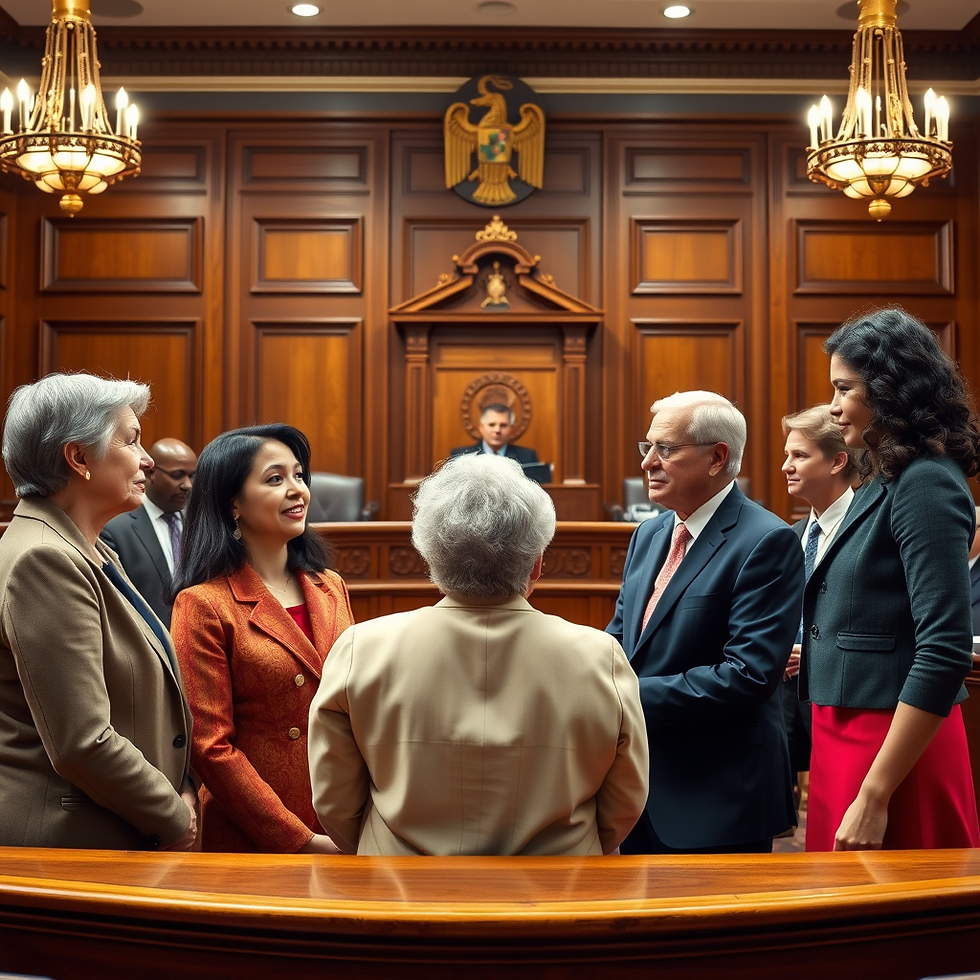
Children from a first marriage may feel sidelined or suspicious of a stepparent’s influence. A surviving spouse may feel attacked or accused of manipulating the deceased. Even extended family members—siblings, former in‑laws, or adult grandchildren—sometimes enter the fray, each with their own version of what the deceased “really wanted.”
Attorney Connelly often explains that probate can magnify emotional fractures. “When a blended family enters probate, every unresolved issue comes to the surface,” he says. “People who haven’t spoken in years suddenly find themselves arguing over bank statements, personal belongings, or the meaning of a single sentence in a will.” The courtroom becomes a stage where grief, fear, and long‑standing tensions collide, and the result is rarely what the deceased would have wanted for their family.
Another complication is that a will does not control non‑probate assets. Many people assume that their will governs everything they own, but that is simply not the case. Life insurance policies, retirement accounts, annuities, and jointly owned property pass according to beneficiary designations or title, not the will. These assets often make up the bulk of a person’s wealth, especially in blended families where individuals may have accumulated retirement savings, real estate, or insurance policies long before their second marriage.

The problem is that beneficiary designations are frequently outdated. After a divorce or remarriage, people often forget to update these documents—or assume that their new will automatically overrides old designations. It does not. If an ex‑spouse is still listed as the beneficiary on a life insurance policy, that ex‑spouse will inherit the proceeds, even if the will says otherwise. If a retirement account still names only the biological children from a first marriage, the surviving spouse may receive nothing from that asset. And if a jointly owned home is titled so that the surviving spouse has full ownership, children from the first marriage may be unintentionally disinherited.
Connelly sees this scenario far too often. “One of the biggest problems we see is that people remarry but never update their beneficiary designations. A will cannot fix that mistake,” he explains. “By the time the family realizes what happened, it’s too late. The law is very clear—beneficiary designations control, even if they contradict the will.” This oversight can leave a surviving spouse financially vulnerable, especially if they were counting on life insurance or retirement funds to maintain their home or cover living expenses. Conversely, it can also unintentionally cut children out of an inheritance their parents fully intended them to receive.
In blended families, these mistakes carry even greater weight because the financial expectations of each household member are often different. A spouse may assume they will be protected. Children may assume they will inherit certain assets. But without coordinated planning—wills, trusts, updated designations, and clear communication—those assumptions can collapse under the rigid structure of probate law. The result is not only financial harm but emotional fallout that can permanently damage relationships.
Balancing Fairness: Competing Interests in Blended Families
For blended families, fairness is often the goal, but fairness means different things to different people. One spouse may feel a deep responsibility to ensure that children from a prior marriage receive assets that reflect a lifetime of love, sacrifice, and shared history. The other spouse may be focused on protecting the surviving partner from financial hardship, believing that the marriage's stability should take priority. These competing loyalties—both valid and deeply felt—create a delicate balance that a will alone cannot effectively manage. A will is a blunt instrument in a situation that demands nuance, foresight, and legal precision.

The emotional complexity of blended families magnifies these challenges. Even well‑intentioned decisions can be misinterpreted through the lens of past experiences, insecurities, or unresolved family dynamics. A child who has already endured a divorce or the loss of a parent may view a gift to a stepparent as a betrayal or a sign that their biological parent’s legacy is being diluted. A spouse may interpret a significant bequest to stepchildren as a lack of trust or a signal that the marriage is somehow secondary to prior relationships. These interpretations are rarely rooted in the actual intentions of the person creating the will, yet they can take on a life of their own.
Without careful planning, these misunderstandings can harden into resentment. A single sentence in a will, a poorly worded provision, or an asset left out entirely can trigger old wounds and ignite new conflicts. What begins as a simple desire to “treat everyone fairly” can quickly devolve into suspicion, fractured relationships, and, in some cases, permanent estrangement. Attorney Connelly often reminds families that estate planning is not just a legal exercise—it is an emotional one. “In blended families,” he explains, “every decision carries weight. If the plan isn’t clear and comprehensive, people fill in the gaps with their fears, not with the truth.”
How Trusts Provide Better Protection and Clarity
Other estate planning tools offer more flexibility and protection. Trusts, for example, allow a person to set aside assets for a spouse during their lifetime while ensuring that the remaining assets ultimately pass to their own children. This structure, often called a “blended family trust” or “marital trust,” can prevent the common fear that a surviving spouse will change their estate plan and disinherit stepchildren.

Trusts also avoid probate, maintain privacy, and reduce the likelihood of disputes. As Attorney Connelly emphasizes, “Trusts give blended families the ability to honor both the marriage and the children. They create a roadmap that is harder to challenge and easier to follow.”
Powers of attorney and health care directives are equally important. Without them, a stepparent may be excluded from medical decisions or financial management during incapacity, even if the couple has been married for years. These documents ensure that the right person is empowered to act when needed, preventing confusion and conflict during already stressful times.
A Massachusetts Blended Family Torn Apart
The challenges of relying solely on a will become painfully clear when examining the story of John and Linda, a blended family from Bristol County, Massachusetts. Both entered the marriage later in life, each bringing two adult children from prior relationships. They had worked hard to rebuild their lives after difficult divorces, and their marriage was grounded in mutual respect and a shared desire to create stability for their combined family.
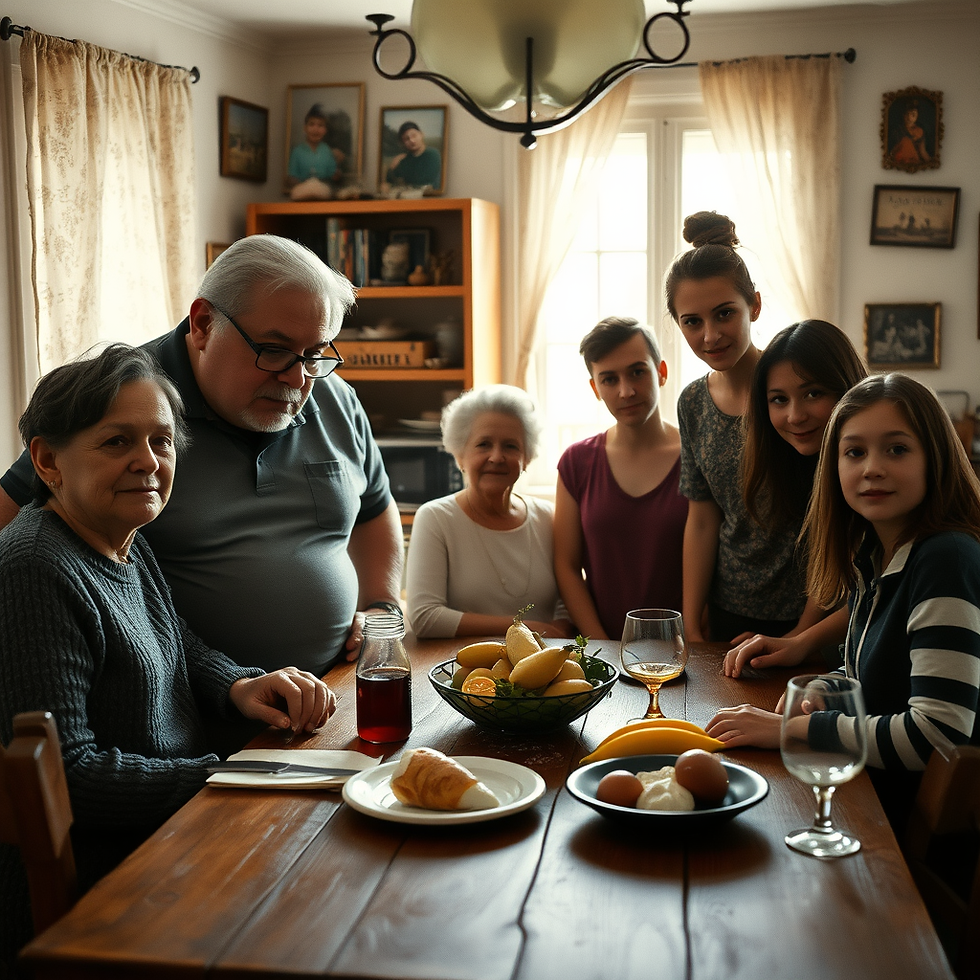
When they purchased a modest but cherished colonial home together, they believed they were taking the final step toward that stability. The home quickly became the center of family gatherings—birthdays, holidays, and Sunday dinners, where all four children were welcomed. Although the children were cordial, the relationships were not without tension. Subtle rivalries simmered beneath the surface, especially between the two sets of siblings who often felt protective of their biological parents’ financial future.
John and Linda frequently discussed their desire to treat all four children fairly. They verbally agreed that, when both were gone, the home should be divided equally among the children. Wanting to “keep things simple,” they each drafted a basic will. John’s will stated that his “share of the home” should pass to his two biological children. Linda’s will mirrored this language for her own children. They believed this arrangement was clear, balanced, and sufficient.
But they never consulted an estate planning attorney. They never reviewed the home's title. And they never considered how Massachusetts law would treat jointly owned property at death.
When John died unexpectedly from a heart attack, everything changed. The grief was overwhelming, but the legal consequences were even more devastating. Because the home was titled as joint tenants with rights of survivorship, Linda automatically inherited the entire property by operation of law. John’s will—despite his intentions—had no authority over the home. His children were stunned when they learned that the will could not override the deed. They believed their father had been clear that he wanted them to inherit his share of the property. They felt betrayed, confused, and angry.

Linda, still reeling from the loss of her husband, suddenly found herself at the center of a conflict she never anticipated. She insisted she wanted to honor John’s wishes, but her own children began pressuring her to keep the home intact. They argued that she needed financial security, that the home was now legally hers, and that dividing it would jeopardize her stability. Old resentments resurfaced. John’s children accused Linda of manipulating the situation. Linda’s children accused John’s children of greed. What had once been a fragile but functioning blended family quickly fractured.
The conflict escalated to the point where John’s children filed a petition in probate court, arguing that their father’s will should be enforced. The court, however, had no choice but to uphold the law: the will could not control jointly owned property. The judge explained that the deed, not the will, governed the transfer, and that John’s children had no legal claim to the home.
The emotional fallout was even more painful than the legal outcome. The children stopped speaking to one another. Linda withdrew from the family entirely, overwhelmed by guilt and resentment. Holidays that once brought everyone together became reminders of the deep divide that had formed. The home that was meant to symbolize unity became the symbol of a family torn apart.
Attorney Connelly uses cases like this to illustrate the dangers of incomplete planning. As he explains, “A will cannot fix titling issues, and it cannot protect blended families from the emotional and legal complexities that arise when expectations don’t match the law. Without a comprehensive plan, even the best intentions can lead to heartbreak.”
This Massachusetts case demonstrates how a simple oversight—failing to coordinate a will with property ownership—can unravel a family. It underscores the importance of using trusts, reviewing beneficiary designations, and ensuring that all estate planning tools work together. Most importantly, it shows how blended families, more than any other family structure, need clarity, structure, and legal guidance to prevent conflict.
The Importance of Updating Estate Planning Documents
Families evolve. Children grow up, marriages change, assets shift, and relationships transform in ways that no one can fully anticipate. A plan that felt balanced and appropriate five years ago may be completely misaligned with the family’s current reality. A child who once needed financial protection may now be financially independent. A spouse who once relied on certain assets may no longer need them. New grandchildren may have been born, estranged relationships may have healed or worsened, and financial circumstances may have improved or worsened dramatically. Estate plans that are not reviewed regularly fail to reflect these natural changes, leaving blended families particularly vulnerable to unintended consequences.

Outdated wills, old beneficiary designations, and forgotten trusts can create chaos when a loved one passes away. A retirement account may still list a former spouse as the beneficiary. A life insurance policy may name only the biological children from a prior marriage, unintentionally excluding stepchildren who have since become integral members of the family. A trust created years earlier may no longer align with the couple’s current financial goals or family dynamics. These oversights are not uncommon, and in blended families, they can be devastating. What was once a simple oversight becomes a legal reality that cannot be undone after death.
Regular reviews ensure that the estate plan reflects the current family structure and the true wishes of both spouses. These reviews also provide an opportunity to address new concerns, such as protecting a vulnerable adult child, planning for long‑term care, or adjusting for significant changes in wealth. They allow couples to revisit decisions made during earlier, sometimes more emotionally charged periods of life and update them with clarity and intention.
Attorney Connelly stresses the importance of this ongoing maintenance. “Your estate plan should grow with your family,” he explains. “If your family changes, your plan must change with it. A static plan in a dynamic family is a recipe for conflict.” His experience has shown that families who commit to regular updates—every three to five years, or sooner if major life events occur—are far more likely to avoid disputes, protect their loved ones, and preserve family harmony.
In blended families, where relationships and expectations are already layered and sensitive, updating the estate plan is not just a legal necessity—it is an act of care. It ensures that no child is unintentionally overlooked, no spouse is left financially insecure, and no outdated document undermines the intentions of the people who worked so hard to build a new life together.
Conclusion: A Will Matters—But It Is Not Enough
"While wills remain an important part of any estate plan, they are often insufficient for the unique challenges blended families face," stated Attorney Connelly. "Relying solely on a will can lead to misunderstandings, inequities, and disputes that tear families apart. By incorporating trusts, updated beneficiary designations, powers of attorney, and thoughtful planning, blended families can create a structure that honors both spouses and all children."

The materials and information presented in this blog are intended solely for general informational purposes and should not be interpreted as legal, financial, or healthcare advice. The content may not reflect the latest developments, regulations, or best practices in these fields, and as such, should not be relied upon for making personal or professional decisions. This blog may include links to third-party websites provided strictly for the convenience of our readers; Connelly Law neither endorses nor guarantees the accuracy or reliability of external content. Case studies shared herein are anonymized, contain no identifying information, and may be amalgamated from multiple cases for illustrative purposes only. Given the complexities of legal, financial, and healthcare matters, we strongly recommend consulting a qualified attorney, a professional fiduciary advisor, or a healthcare provider for guidance tailored to your specific circumstances. Your well-being and ability to make informed decisions remain our utmost priority.



Comments