
The Hidden Probate Trap for Families With Property in Multiple States: Why a Trust Is Essential

Most families who own property in more than one state—whether a Florida condo, a Vermont cabin, or a timeshare used for a single week each year—have no idea that they are setting their loved ones up for a complicated legal ordeal after they pass away. They assume that a simple will is enough, that probate is a single process, and that their executor will be able to “handle everything.” But as Professional Fiduciary and Certified Elder Law Attorney RJ Connelly III often tells clients, estate administration becomes far more complex the moment real estate crosses state lines, resulting in a hidden probate trap that few expect.
“Probate is hard enough when everything is in one state,” Connelly explains. “Add a second or third property in another jurisdiction, and the process becomes exponentially more complicated. Families are blindsided because no one warned them that owning a vacation home or a timeshare could trigger an entirely separate court proceeding.” This separate proceeding is called ancillary probate, and it is one of the most misunderstood—and expensive—pitfalls in estate planning.
Understanding Ancillary Probate in Plain English
Ancillary probate is a second probate case required in any state where a deceased person owned real estate. The primary probate takes place in the state where the person lived. But if they also owned a condo in Florida, a rental property in Connecticut, or inherited land in Vermont, the executor must open additional probate cases in each of those states.
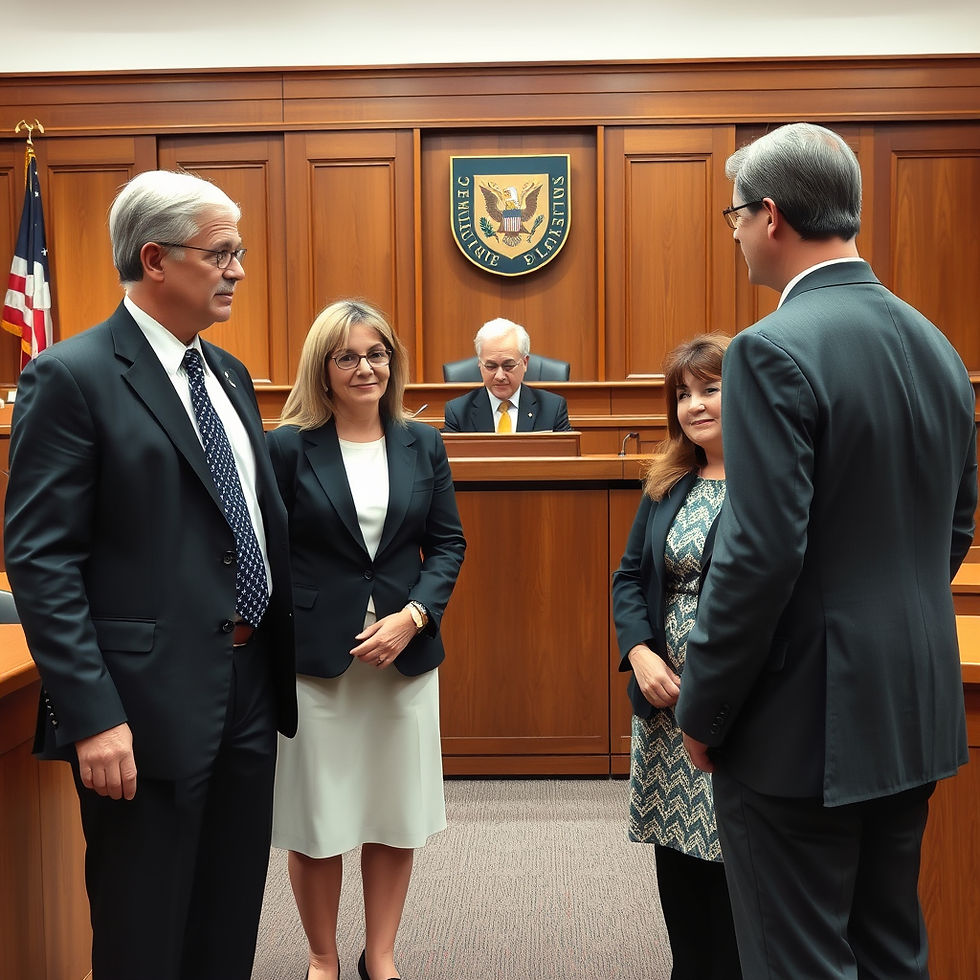
This happens because each state controls the real estate within its borders. A Rhode Island court cannot transfer title to a home in Florida, and a Massachusetts judge cannot authorize the sale of land in Maine. The soil determines the law, and the law determines the court. Families often learn this only after a death, when they are already overwhelmed and grieving.
Attorney Connelly puts it simply: “Think of real estate as being governed by the soil it sits on. Even if you live in Rhode Island your entire life, the moment you buy a condo in Florida, you’ve tied your estate to Florida’s court system. Your family will have to deal with that court whether they want to or not."
The Rhode Island Couple With a Florida Condo
Consider the story of John and Margaret, a retired couple from Warwick. They owned their primary home in Rhode Island and a small condo in Naples, Florida, where they spent winters. They believed their simple will was sufficient and never imagined that their estate plan was incomplete.

When John passed away, Margaret expected to transfer the condo into her name without difficulty. Instead, she learned she had to open probate in Rhode Island and a second probate in Florida. The Florida court required a Florida attorney, a Florida appraisal, Florida‑specific filings, and a mandatory waiting period before the condo could be sold. What Margaret thought would be a straightforward process stretched into nine months of delays and thousands of dollars in unexpected costs.
“This is the most common scenario we see,” Attorney Connelly notes. “A Rhode Island resident buys a Florida condo, never retitles it into a trust, and the surviving spouse ends up dealing with two court systems. It’s avoidable, but only with proper planning.”
The Vermont Cabin That Delayed an Entire Estate
A Westport couple inherited a rustic cabin in Vermont from their grandparents. It was used only a few weekends a year, and no one thought much about the title. When the parents passed away, their children discovered that the cabin—still titled in the parents’ names—required ancillary probate in Vermont, even though the entire family lived in Massachusetts.

The children were stunned. They had to hire a Vermont attorney, travel to Vermont for signatures and filings, and wait for Vermont’s probate timeline before they could sell the property. The process delayed the estate settlement for over a year.
Attorney Connelly often uses this example to emphasize that the size or value of the property is not relevant. “It doesn’t matter if the property is small, old, or barely used. If it’s real estate in another state, that state controls what happens to it after death. Probate is mandatory unless the property is held in a trust.”
Why So Many Families Are Caught Off Guard
Ancillary probate is triggered by situations far more common than most families realize. A vacation home used only a few months a year, a timeshare enjoyed for a single week, a rental property purchased as an investment, inherited land that was never retitled, or a family cabin passed down through generations—each of these can quietly create a legal obligation in another state.

Families often assume that because the property is small, sentimental, or rarely used, it somehow “doesn’t count.” But the law does not distinguish between a multimillion‑dollar beachfront home and a modest cabin tucked into the woods. If the property sits in another state, that state’s probate court has jurisdiction, and the family must go through its process.
Even a fractional interest in a timeshare—something many people barely think about after signing the contract—can force a family into ancillary probate. Timeshares are particularly problematic because they are often located in states with high probate fees or lengthy court backlogs. Families are stunned to learn that the one‑week‑per‑year unit their parents purchased decades ago now requires them to hire an out‑of‑state attorney, file court documents they’ve never heard of, and wait months for approval before they can sell, transfer, or even disclaim the interest.
What makes this so difficult is that families rarely anticipate it. They believe their estate is simple. They believe their will is enough. They believe their executor will be able to act quickly, pay bills, sell property, and wrap up the estate without much trouble. Instead, they find themselves navigating multiple court systems, each with its own rules, deadlines, and expectations.
They must hire attorneys in each state, gather documents that meet each court’s requirements, and comply with procedures that often conflict with one another. What they thought would take weeks stretches into months—or even years—as they wait for permission to sell or transfer property that they assumed would pass easily.

Attorney Connelly sees this scenario unfold repeatedly. As he often explains to clients, families are not just dealing with paperwork—they are dealing with grief, stress, and the emotional weight of settling a loved one’s affairs. “When someone dies, the family is already overwhelmed,” he says. “Now imagine telling them they have to open probate not just in their home state, but also in Florida, Vermont, or South Carolina. They’re shocked. They’re exhausted. And they’re frustrated that no one ever told them this could happen.”
The delays can be significant. In some states, probate courts are so backlogged that even routine filings take months to process. During that time, the property sits in limbo. It cannot be sold, rented, refinanced, or improved without court approval. If the property has ongoing expenses—mortgage payments, taxes, insurance, utilities—the family must cover them out of pocket while waiting for the court to act. If the property is vacant, it may deteriorate or become vulnerable to vandalism or weather damage. If it is a rental, the family may be unable to collect rent or enforce leases until the court grants authority.
These complications often create tension among heirs. One sibling may want to sell the property immediately, while another wants to keep it. One may be willing to pay the carrying costs, while another refuses. The longer the probate drags on, the more strained these relationships become. What began as a simple inheritance can quickly turn into a source of conflict, resentment, and financial burden.
Connelly emphasizes that none of this is inevitable. “Families assume probate is a single event,” he says. “But when property is spread across multiple states, probate becomes a series of hurdles. Each one costs time, money, and emotional energy. The tragedy is that most of these hurdles could have been avoided with proper planning.”
This is why understanding ancillary probate is so important. It is not an obscure legal technicality—it is a real, practical issue that affects thousands of families every year. And for those who own property in more than one state, it is one of the strongest reasons to consider a trust‑based estate plan.
How a Trust Prevents Ancillary Probate Entirely
A revocable living trust is, without question, the most powerful and effective tool for avoiding ancillary probate. When real estate is titled in the name of a trust, it is no longer subject to the state court system in which it is located. Instead, it becomes part of a unified legal structure that follows the trust's instructions rather than the rules of multiple probate courts scattered across the country. This single shift in ownership transforms what could have been a multi‑state legal ordeal into a smooth, private, and efficient transition.

When a property owner passes away and their assets are held in a trust, the successor trustee can step in immediately. There is no waiting for a judge to appoint an executor, no mandatory delays, and no requirement to open probate in the state where the property is located. The trustee can manage the property, arrange for repairs, collect rent, negotiate with realtors, or sell the property outright—all without filing a single court document. This immediate authority is especially important when a property is vacant, generating expenses, or at risk of deterioration. Instead of watching a home sit empty for months while probate crawls forward, the trustee can act the very next day.
The difference is dramatic. Without a trust, a family might spend months hiring attorneys in Florida, Vermont, or South Carolina, gathering documents, paying filing fees, and waiting for court approval just to sell or transfer a property. With a trust, those same actions can be completed in days. There is no need to navigate unfamiliar court systems, coordinate with multiple law firms, or comply with conflicting state requirements. Everything is handled under one umbrella, guided by the terms the property owner set during their lifetime.
Attorney Connelly describes a trust as a “legal container” that holds everything together. As he explains, “A trust consolidates everything under one legal umbrella. It eliminates the need for probate in every state where property is located. For families with multi‑state real estate, it’s not just helpful—it’s essential.” His point is simple but profound: probate courts only have authority over assets titled in an individual’s name. Once those assets are placed in a trust, the courts lose jurisdiction. The trust—not the probate system—controls what happens next.
This shift also protects the family’s privacy. Probate is a public process, and when it occurs in multiple states, the family’s financial information becomes public record in each jurisdiction. Anyone can look up the property's value, the identity of the heirs, and the details of the estate. A trust keeps all of this confidential. The transfer of property happens quietly, privately, and without the public scrutiny that often accompanies probate filings.

The financial benefits are equally significant. Without a trust, families may face attorney fees, appraisal costs, court filing fees, and travel expenses in every state where property is located. These costs add up quickly, especially when probate drags on for months or years. A trust eliminates these expenses entirely. The trustee can distribute assets efficiently, preserve the estate's value, and ensure the property owner’s wishes are carried out without unnecessary financial strain.
Connelly often reminds clients that a trust is not just a legal document—it is a plan for peace of mind. “When families come to us after a loved one dies, they’re grieving, overwhelmed, and trying to make sense of a complicated situation,” he says. “A trust removes so much of that burden. It gives families clarity, authority, and the ability to act without waiting for a court to tell them what they can and cannot do.”
For families with property in multiple states, the choice between a trust and a will is between a streamlined, private, and efficient process and a prolonged, expensive, multi‑state legal maze. A trust ensures that the people you choose can step in immediately, manage your affairs responsibly, and protect your legacy without interference from distant court systems.
A Final Thought
Ancillary probate is one of the most misunderstood and expensive traps in estate planning. Families who own property in more than one state—whether a Florida condo, a Vermont cabin, a timeshare in South Carolina, or inherited land in Maine—are especially vulnerable. Without proper planning, their loved ones may face months of delays, thousands of dollars in legal fees, and the stress of navigating multiple court systems during an already painful time.
Attorney Connelly reminds clients that estate planning is not just about documents—it is about protecting families. “Our goal is to make sure your loved ones are not left dealing with a maze of court systems scattered across the country. A properly drafted and funded trust gives families privacy, efficiency, and peace of mind when they need it most.” For anyone who owns property in more than one state, the message is clear: a trust is not optional—it is essential.

The materials and information presented in this blog are intended solely for general informational purposes and should not be interpreted as legal, financial, or healthcare advice. The content may not reflect the latest developments, regulations, or best practices in these fields, and as such, should not be relied upon for making personal or professional decisions. This blog may include links to third-party websites provided strictly for the convenience of our readers; Connelly Law neither endorses nor guarantees the accuracy or reliability of external content. Case studies shared herein are anonymized, contain no identifying information, and may be amalgamated from multiple cases for illustrative purposes only. Given the complexities of legal, financial, and healthcare matters, we strongly recommend consulting a qualified attorney, a professional fiduciary advisor, or a healthcare provider for guidance tailored to your specific circumstances. Your well-being and ability to make informed decisions remain our utmost priority.



Comments