
The Concept of "Dry January" - Seniors and the Dangers of Alcohol Abuse

"Dry January is a transformative initiative that encourages individuals to abstain from alcohol for the entire month. This movement holds particular significance for seniors, who are often more susceptible to the detrimental effects of alcohol consumption," said professional fiduciary and certified elder law Attorney RJ Connelly III. "Regular drinking among this demographic can lead to a myriad of serious health concerns, including an elevated risk of dangerous falls, cognitive decline that affects memory and decision-making, and potential liver damage that can have devastating consequences."
Seniors need to understand these risks and consider participating in Dry January to foster improved health and overall well-being. However, before you or a loved one embarks on this journey, there are crucial considerations to keep in mind. In today’s blog, we will delve into the far-reaching implications of alcohol abuse among seniors and uncover just how prevalent this issue is within our communities. Through understanding, we can work towards healthier choices and a better quality of life for our aging population.
Let’s begin by looking at Margaret, a widow from southern New England whose life had been consumed by profound sorrow. In the wake of her husband's passing, she turned to alcohol as a means of escaping the depths of her overwhelming grief. This reliance on drink gradually seeped into every facet of her existence, reshaping her daily routines, relationships, and sense of self.
Margaret's Story
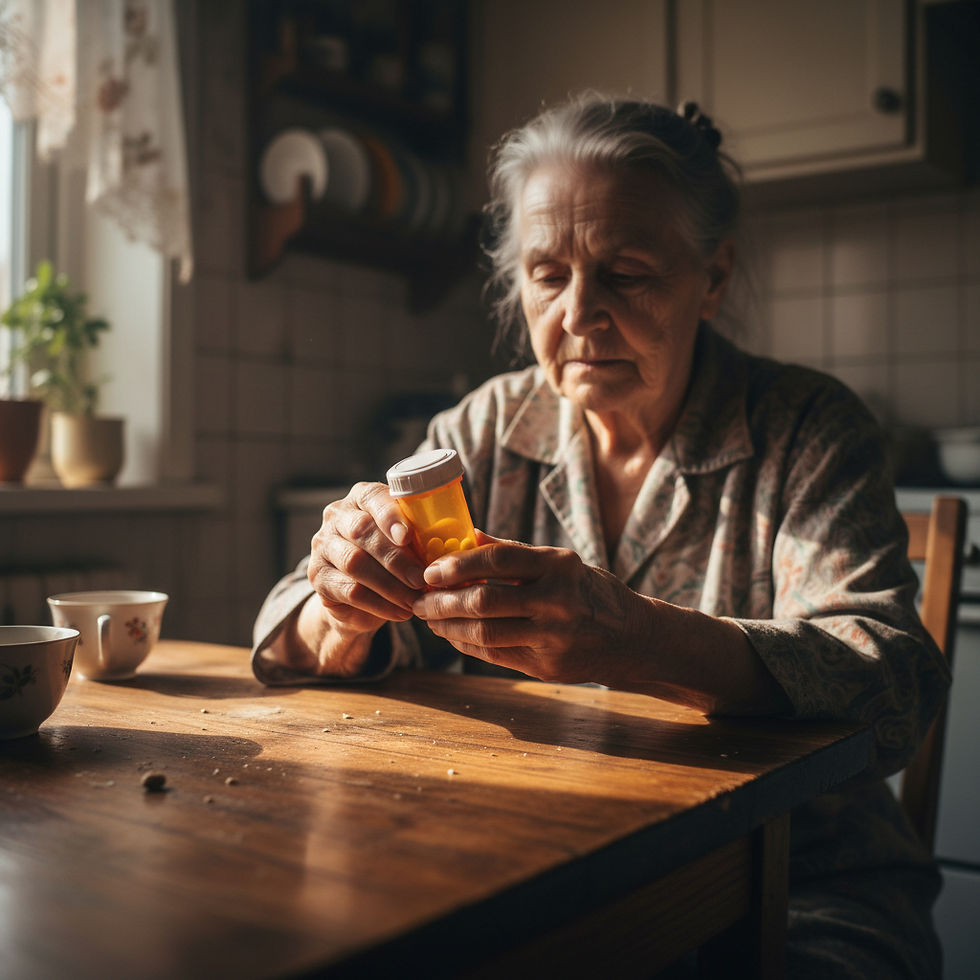
Margaret is a 74-year-old retired teacher living in southern New England. Her drinking escalated after the devastating loss of her husband of over fifty years. Living alone for the first time in decades, she found herself overwhelmed by loneliness and grief. Alcohol, initially a way to soothe her pain, gradually became a daily companion, only deepening her isolation and confusion.

With no one in the house to monitor her well-being, Margaret struggled to keep up with the ordinary routines of life: unopened mail accumulated on her kitchen table, utility bills went unpaid, and her home’s insurance policy quietly lapsed. As the months passed, collection notices arrived, electricity was disconnected for non-payment, and she even received warnings that her house was at risk of tax sale due to delinquent payments. These financial troubles, fueled by her increasing dependence on alcohol, left Margaret vulnerable and anxious.
Her children, alerted by concerned neighbors about their mother's deteriorating condition, hurried back home from out of state. Upon arrival, they were struck by a poignant scene: Margaret, once vibrant and engaged with her friends and community, now seemed to be retreating into herself, visibly withdrawing from the world around her. Her once immaculate home, a testament to her pride and meticulous nature, had succumbed to clutter; remnants of daily life were strewn across surfaces, creating a chaotic atmosphere that mirrored their anxiety.
As they stepped further inside, their eyes were drawn to the telltale signs of her struggles: bruises marred her skin, evidence of the frequent falls that had become a part of her reality. The children were disturbed to discover a disarray of prescription medications—some left unopened and others jumbled together—indicating her resistance or inability to tend to her health. They realized with growing alarm that she had missed multiple critical medical appointments, a clear signal that she was no longer able to manage her own care effectively.
Compounding their distress was the depth of her financial crisis. The possibility of losing her home to back taxes loomed large, intensifying their worries about Margaret's capacity to make sound decisions and maintain control over her life. Each revelation deepened their collective concern, leaving them to grapple with the painful reality unfolding before them.

Recognizing the seriousness of the situation, Margaret’s family reached out with empathy, avoiding blame and instead expressing concern for her safety and dignity. They organized a family meeting, inviting a trusted geriatric specialist to discuss Margaret’s health, cognitive status, and care needs.
During this process, it also became clear that legal intervention was necessary to protect her interests. Our office was consulted to explain options, including power of attorney and, ultimately, guardianship. After careful deliberation and with Margaret’s input, her daughter was appointed temporary guardian, allowing financial accounts to be stabilized, overdue bills to be paid, and essential services to be restored.
With patience and gentle encouragement from her family and medical professionals, Margaret agreed to seek help for her alcohol use. She entered a medically supervised detox program, where a team of specialists carefully managed her withdrawal symptoms. After her successful detox, Margaret began attending regular support group meetings and reconnecting with her loved ones. With her finances now in order, medications monitored, and a renewed sense of belonging, Margaret has made remarkable progress in her recovery.
Her journey is a testament to the importance of compassionate family involvement, the support of healthcare professionals, and, when needed, timely legal action to safeguard the well-being of older adults facing substance abuse and self-neglect.
Alcoholism in Seniors: Prevalence and Trends
Alcohol consumption among older adults has seen a troubling rise in recent years. The National Institute on Alcohol Abuse and Alcoholism (NIAAA) reports that nearly 10% of adults aged 65 and older engage in binge drinking, which is defined as consuming four or more drinks for women and five or more drinks for men in a single occasion. This statistic underscores a significant shift in drinking patterns among seniors, highlighting a growing concern for public health.

The University of Michigan's 2021 National Poll on Healthy Aging revealed that while most older adults surveyed consumed alcohol at low to moderate levels, a significant number exceeded the recommended guidelines for alcohol use. Specifically, 20% of respondents reported drinking alcohol four or more times a week, 27% had six or more drinks on at least one occasion in the past year, and 7% experienced alcohol-related blackouts.
Moreover, the impact of alcohol on the health of senior citizens is underscored by the nearly 70% increase in alcohol-related emergency room visits among this age group over the past decade. This escalation has prompted concern and attention from healthcare professionals, particularly as the COVID-19 pandemic exacerbated mental health issues and led to increased alcohol consumption among seniors.
During this challenging period, many older adults turned to alcohol as a coping mechanism for isolation and anxiety, leading to a sharp rise in usage that has drawn the scrutiny of the medical community. The combination of these factors highlights an urgent need for targeted interventions and support systems to address alcohol misuse among older populations.
Health Risks and Effects of Alcohol Dependence in Seniors
Alcohol dependence presents distinct and significant health risks for aging adults, largely due to physiological changes associated with aging. As people grow older, their bodies experience a decrease in metabolic rate and liver function, leading to a slower and less efficient processing of alcohol. This slower metabolism intensifies the toxic effects of alcohol, increasing the likelihood of adverse reactions.

Older adults are particularly vulnerable to hepatic issues, with studies indicating that the incidence of alcoholic liver cirrhosis is markedly elevated in individuals over the age of 50. This increased susceptibility is compounded by the fact that many seniors may have pre-existing health conditions that further strain liver function.
Additionally, chronic alcohol consumption in older adults is linked to a heightened risk of developing cardiovascular problems, including heart disease and hypertension. Research shows that the likelihood of experiencing strokes and complications from diabetes also escalates with prolonged alcohol intake. Furthermore, certain types of cancer, particularly those affecting the digestive and respiratory systems, have been associated with long-term alcohol use.
The Centers for Disease Control and Prevention (CDC) highlights that one of the most alarming consequences of alcohol use among seniors is the increased risk of falls and accidental injuries. These incidents account for more than 30% of injury-related hospital admissions in the older population, underscoring the critical need for awareness and prevention strategies. The combination of these factors makes alcohol dependence an urgent public health concern for aging adults, necessitating targeted interventions and support to mitigate its impact.
Gender Differences and Who Is at Risk
Older women are notably more susceptible to the detrimental effects of alcohol consumption due to a combination of biological and physiological factors. One significant aspect is that women, on average, have a lower percentage of body water than men. This means that when alcohol is consumed, it remains more concentrated in the bloodstream, which can lead to increased toxicity and heightened risk of organ damage even at lower intake levels.

Recent estimates indicate that between 1% and 8% of older women engage in alcohol misuse. However, this figure may widen to a range of 1% to 15% when considering at-risk drinking among older adults more broadly, with variations stemming from differing definitions of such behaviors.
Research focusing on individuals aged 60 and above reveals that approximately 12% of women occasionally indulge in consuming three or more alcoholic drinks in a single sitting, a behavior observed in 30% of their male counterparts. Additionally, around 12% of older women were noted to routinely surpass the advisable limit of seven alcoholic beverages per week.
Further, older women face a greater likelihood of rapidly developing alcohol-related health complications. These can include debilitating conditions such as osteoporosis, which weakens bones and increases fracture risk; cognitive decline, which can impair memory and overall mental function; and cardiovascular issues, which may lead to serious heart-related diseases. The interplay of these factors underscores the urgent need for targeted prevention and intervention strategies to address alcohol use among older women and safeguard their health.
Recognizing Alcohol Use Disorders in Older Adults
Identifying Alcohol Use Disorders (AUD) in seniors can pose significant challenges due to the overlapping symptoms with a variety of other medical conditions and age-related changes. Warning signs to be vigilant for include increased social isolation, which may manifest as withdrawal from social activities and a decline in regular interactions with family and friends. Additionally, neglect of personal care, such as poor hygiene or unkempt appearance, can indicate deeper struggles.

Memory lapses that go beyond typical forgetfulness, along with unexplained injuries or bruises, may raise concerns about potential falls or accidents related to impaired judgment under the influence of alcohol. Frequent falls and sleep disturbances, such as insomnia or excessive daytime sleepiness, can further indicate an underlying issue. Mood changes, particularly irritability or increased agitation, are also common indicators of potential AUD.
To facilitate accurate identification, healthcare professionals often employ screening tools like the Alcohol Use Disorders Identification Test (AUDIT) and the CAGE questionnaire. These assessments help clinicians evaluate an individual’s drinking behavior and associated risks. Alarmingly, data from the Substance Abuse and Mental Health Services Administration (SAMHSA) suggests that only about 10% of older adults suffering from an AUD receive a formal diagnosis. This statistic underscores the urgent need for heightened awareness and vigilance among both families and healthcare providers to ensure that seniors receive appropriate support and resources for assessment and treatment.
Impact on Life Span
Alcohol dependence in older adults has been directly associated with a significant reduction in life expectancy. A comprehensive study published in The Lancet in 2019 revealed that heavy drinkers aged 65 and older may have a life expectancy up to five years shorter than their non-drinking counterparts. This increased mortality risk is primarily attributable to a higher prevalence of fatal cardiovascular diseases and liver disorders, conditions that are exacerbated by excessive alcohol consumption.
In contrast, seniors who choose to abstain from alcohol often enjoy enhanced overall health and well-being. Research indicates that these individuals typically experience greater independence and improved cognitive functioning, leading to longer and more fulfilling lives. Abstinence from alcohol not only diminishes the likelihood of chronic health issues but also fosters better mental clarity and emotional resilience, contributing to a higher quality of life in later years.
Alcohol’s Interaction with Medications
Polypharmacy, defined as the concurrent use of multiple medications, is a prevalent issue among older adults, often resulting from the complex health needs and multiple chronic conditions that characterize this age group. The interaction between alcohol and various prescription medications can pose significant risks, leading to potentially severe consequences.

For instance, alcohol can interact adversely with anticoagulants—medications that prevent blood clots—by increasing bleeding risk or diminishing their efficacy. Similarly, for antidepressants, alcohol may exacerbate side effects such as drowsiness and impair cognitive function, thereby complicating treatment outcomes. In the case of diabetes medications, alcohol consumption can lead either to hypoglycemia (dangerously low blood sugar levels) or hyperglycemia (uncontrolled high blood sugar), depending on the type of medication being used. Furthermore, sedative drugs, which are often prescribed for anxiety or sleep disorders, can have their sedative effects significantly intensified by alcohol, increasing the risk of respiratory depression and overdose.
The World Health Organization highlights that over 25% of adverse drug events in older patients can be traced back to interactions with alcohol. This statistic underscores the critical need for healthcare professionals to offer personalized guidance regarding the use of alcohol in conjunction with any prescribed therapies. Such guidance is essential to mitigate risks and ensure that older adults receive safe and effective treatment as they manage their medications.
Alcohol, Cigarettes, and Dual Abuse
The simultaneous use of alcohol and tobacco is a troubling phenomenon among seniors, significantly amplifying their health risks. Research reveals that nearly 30% of older adults grappling with Alcohol Use Disorder (AUD) are also regular smokers. This precarious combination effectively doubles their vulnerability to a host of serious health issues, including various forms of cancer, chronic lung diseases, and cardiovascular complications. The complexities of dual substance abuse create additional hurdles in the path to recovery, intensifying both physical dependence and psychological craving, and making the journey toward rehabilitation even more challenging for this demographic.
Alcohol Use Disorder and Dementia
Chronic alcohol consumption significantly accelerates cognitive decline and notably heightens the risk of developing dementia. A comprehensive study conducted in France in 2018 revealed that an alarming 57% of cases of early-onset dementia were attributable to heavy alcohol use. This alarming statistic underscores the intricate relationship between alcohol use disorder (AUD) and neurological health.
In older adults grappling with AUD, the manifestations can include severe confusion, notable memory impairment, and compromised reasoning abilities. These symptoms are frequently misinterpreted as typical age-related cognitive decline. However, it is essential to recognize that alcohol's neurotoxic effects can considerably exacerbate these cognitive issues, leading to a more pronounced and accelerated deterioration in brain function. Healthcare providers and families must differentiate between normal aging and cognitive deficits related to chronic alcohol use, thereby fostering timely intervention and support for those affected.
Financial Implications
The financial burden of alcohol use disorder among seniors is substantial and multifaceted. The costs incurred by older adults grappling with this condition extend beyond merely purchasing alcohol; they include frequent hospitalizations due to alcohol-related health issues, ongoing medication expenses to manage both addiction and its comorbidities, and the potential loss of income due to diminished work capacity or early retirement.

Research indicates that seniors with alcohol dependence can allocate up to 20% of their monthly income to cover alcohol-related expenses. This significant expenditure often leads to dire consequences, such as food insecurity, where individuals may have to choose between purchasing essentials like groceries and continuing to buy alcohol. In many cases, the disregard for medication adherence can worsen existing health conditions, exacerbating the overall health crisis in this demographic.
For families of seniors facing alcohol use disorder, the financial strain can be particularly burdensome. Increased caregiving costs arise as family members may need to provide additional support or hire professional caregivers. Additionally, legal fees may accumulate if issues arise related to impaired driving or other legal entanglements linked to alcohol use. The emotional toll on families is also considerable, as they navigate the complexities of caring for a loved one battling addiction, which can lead to heightened stress and anxiety.
Overall, the impact of alcohol use disorder in seniors is not only a personal health issue but also a significant financial and emotional challenge for families, leading to a ripple effect of hardship into the broader community.
Withdrawal Dangers and Medical Intervention
While Dry January presents an opportunity for older adults to initiate the process of reducing alcohol consumption, individuals who are physically dependent on alcohol may face considerable health risks upon abrupt cessation of drinking. Withdrawal symptoms in this demographic can manifest as a variety of severe physiological and psychological effects, including confusion, heightened agitation, hallucinations, seizures, and potentially life-threatening cardiac complications. Therefore, individuals should seek the guidance and support of medical professionals before discontinuing alcohol use.

The American Geriatrics Society emphasizes that older adults are particularly vulnerable to the complications associated with alcohol withdrawal. Therefore, it is critical that any attempt to reduce or quit alcohol consumption be conducted under thorough medical supervision.
In many cases, inpatient detoxification is necessary to monitor and manage withdrawal symptoms effectively. This medically supervised environment provides continuous care, allowing for immediate intervention should complications arise. Additionally, medication-assisted treatment (MAT) may be employed, utilizing medications such as benzodiazepines or other pharmacological agents that can help mitigate withdrawal symptoms and reduce the risk of severe complications.
This comprehensive approach not only supports the safety of seniors during the detoxification process but also lays a foundation for ongoing recovery and long-term sobriety. Caregivers and healthcare providers need to recognize these risks and ensure that older adults receive the appropriate care and resources when addressing alcohol dependence.
How Do I Know I May Be Addicted
Alcohol addiction in seniors can be particularly challenging to identify due to its symptoms often resembling typical signs of aging. Please review our brief indicators below:
Physical Red Flags: As you age, your body contains less water and has a slower metabolism, making you more sensitive to alcohol. Signs of a problem include frequent unexplained falls due to impaired balance, neglecting self-care, worsening medical conditions like high blood pressure or diabetes, and sleep disturbances where alcohol is used to fall asleep but leads to restlessness.
Behavioral and Mental Signs: Isolation can manifest as avoiding family gatherings or hobbies, drinking alone, or concealing the amount being consumed. Memory blackouts may occur, leading to periods of confusion or memory loss that can often be mistaken for early-stage dementia or Alzheimer's disease. Eye-openers are drinks taken first thing in the morning to calm nerves or stop shakiness, which are actually signs of alcohol withdrawal. Defensiveness may arise, causing irritability or anger when others bring up your drinking habits.
The "CAGE" Self-Test: Healthcare providers often use the CAGE questionnaire as a quick screening tool. Ask yourself these four questions:
C: Have you ever felt you should Cut down on your drinking?
A: Have people Annoyed you by criticizing your drinking?
G: Have you ever felt bad or Guilty about your drinking?
E: Have you ever had a drink first thing in the morning (Eye-opener) to steady your nerves or get rid of a hangover?
A Final Thought
"Dry January offers a valuable opportunity for reflection and education on alcohol use disorders in older adults and seniors. As the number of affected seniors increases, it is vital to recognize the risks, symptoms, and long-term health consequences," said Attorney Connelly. "By supporting affected individuals and their families—through professional consultation, medical intervention, legal guidance, and open dialogue—families can empower seniors to choose healthier lives, restoring hope and independence for those facing the challenges of alcohol dependence."

The information presented within this blog is intended exclusively for general informational purposes and should not be construed as legal, financial, or healthcare advice. The content, materials, and insights provided may not reflect the most recent developments in these fields and, therefore, should not be relied upon for personal or professional decisions. Further, this blog may contain links to third-party websites, which are included solely for the convenience of our readers. It is essential to note that Connelly Law Offices, Ltd. does not automatically endorse or recommend the contents of these external sites. Given the complexities and nuances of legal, financial, or healthcare matters, we strongly encourage individuals to consult a qualified attorney, a professional fiduciary advisor, or a healthcare provider regarding any specific issues or concerns. Your well-being and informed decision-making are of paramount importance to us.


Comments