
Silent Wounds, Aging Hearts: Understanding PTSD in Seniors During National PTSD Awareness Month
- CONNELLY LAW
- Jun 9
- 12 min read
June is National PTSD Awareness Month, a time set aside each year to shine a light on a condition that has shaped — and in many cases haunted — the lives of millions of Americans. While PTSD is often associated with younger veterans returning from recent conflicts, the truth is that seniors experience post‑traumatic stress disorder at disproportionately high rates. Many of today’s older adults served in eras when trauma was dismissed as “shell shock,” “battle fatigue,” or simply a personal weakness. They carried their wounds silently, without the benefit of modern understanding or treatment.
As Professional Fiduciary and Certified Elder Law Attorney RJ Connelly III reminds us, “PTSD is not a new condition — only our willingness to acknowledge it is new. For many seniors, the trauma they endured decades ago is still shaping their health, their relationships, and their ability to age with dignity.”
What follows is a deeper look at PTSD, how it affects older adults, why previous generations suffered in silence, and how today’s therapeutic and legal resources — including elder law services — can help seniors and their families navigate the challenges that come with trauma across a lifetime.
Understanding PTSD: A Lifelong Injury, Not a Moment in Time
Post‑traumatic stress disorder is a complex mental health condition that develops after experiencing or witnessing a traumatic event, and its impact can echo across a lifetime. Although it is most commonly associated with combat, PTSD can arise from many forms of trauma — childhood abuse, domestic violence, serious accidents, medical emergencies, natural disasters, or the sudden loss of someone deeply loved. Trauma does not discriminate, and its effects do not fade simply because time passes. For many seniors, the events that shaped their early adulthood continue to influence their emotional and physical well‑being decades later.

PTSD often manifests through intrusive memories that arrive without warning, pulling the individual back into the moment of trauma as if no time has passed at all. Nightmares may disrupt sleep, leaving a senior exhausted before the day even begins. Hypervigilance — the constant scanning of the environment for danger — can make ordinary activities feel overwhelming.
Emotional numbness may create distance between the senior and the people they love, while irritability or sudden anger can strain relationships that were once strong. Avoidance of reminders of the trauma can shrink a senior’s world, limiting social engagement and contributing to isolation. These symptoms are not simply emotional responses; they are neurological imprints of survival.
For older adults, these symptoms can become even more complicated due to the natural changes that accompany aging. Memory decline may make it harder to distinguish between past and present, causing traumatic memories to feel more immediate and disorienting. Chronic illnesses, pain, or mobility limitations can heighten feelings of vulnerability, making old fears resurface. Social isolation — a common challenge for seniors — can remove the emotional buffers that once helped them cope,
The loss of a spouse or close friend may reopen emotional wounds that were never fully healed. Even routine medical procedures, such as anesthesia, hospitalization, or rehabilitation, can trigger flashbacks or panic in seniors with a trauma history.

Attorney Connelly has seen this pattern repeatedly in his work with older adults and their families. “We see seniors who managed for decades,” he explains, “but as they age, the coping mechanisms they relied on begin to fade. Retirement, illness, or the death of a partner can remove the structure that kept their trauma at bay. Suddenly, memories they thought were buried come rushing back with a force they never expected.”
This resurgence of symptoms is sometimes referred to as late‑onset PTSD, and it can be startling for families who believed their loved one had long since moved past the trauma. In reality, many seniors never received treatment at all. They simply adapted, compartmentalized, or endured. When the scaffolding of daily life begins to fall away — the job that kept them busy, the spouse who provided emotional grounding, the physical strength that once made them feel safe — the mind may finally have the space to process what it avoided for years. Unfortunately, this processing often emerges as distress rather than healing.
The emotional toll of PTSD in older adults can also have significant physical consequences. Chronic stress affects the cardiovascular system, increases inflammation, disrupts sleep, and weakens the immune response. Seniors with untreated PTSD are at higher risk for hypertension, heart disease, diabetes complications, and cognitive decline. The body remembers trauma just as vividly as the mind, and the cumulative effects can interfere with healthy aging in profound ways.
Why Seniors Experience PTSD at Higher Rates
Many older adults lived through eras marked not only by war and instability but by a profound lack of understanding about mental health. Veterans of World War II, Korea, and Vietnam returned home carrying invisible wounds that no one had the vocabulary — or the willingness — to acknowledge. They were expected to step off the battlefield, hang up their uniforms, and immediately resume the roles of husband, father, worker, and neighbor. The message was clear: whatever happened “over there” stayed there. Talking about it was discouraged, and seeking help was unthinkable.
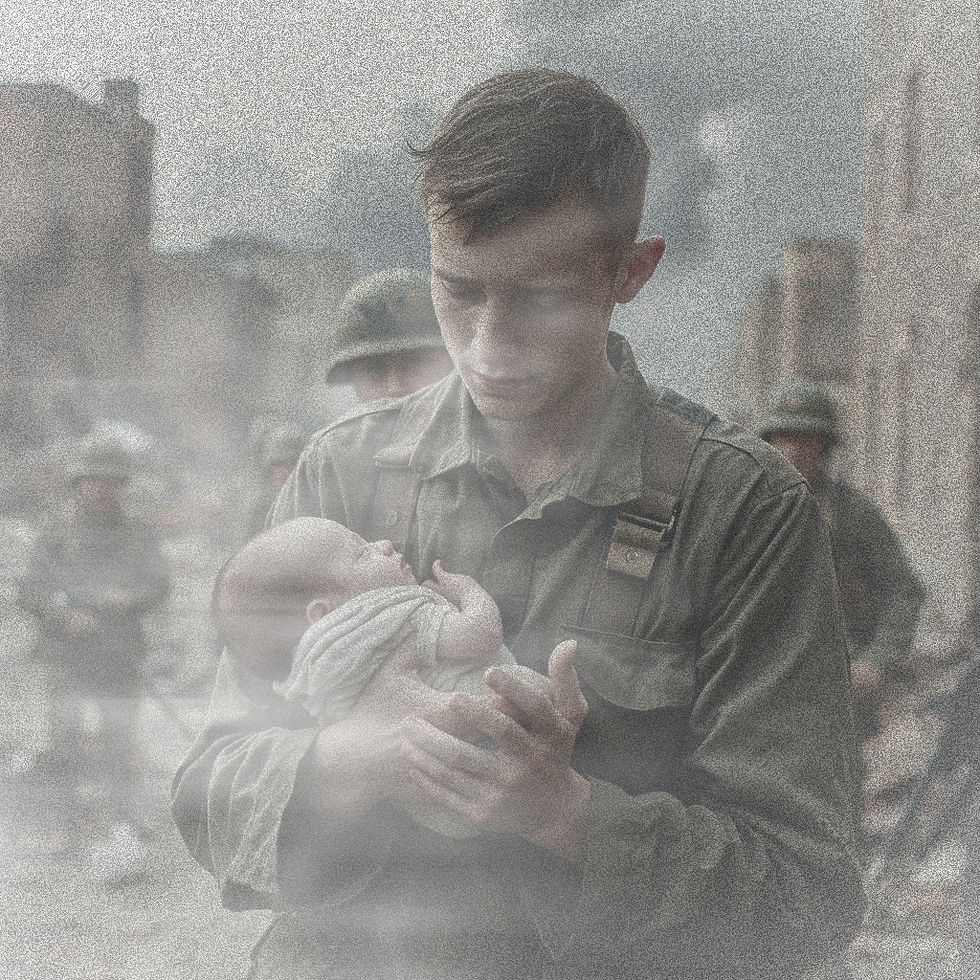
PTSD was not formally recognized as a diagnosis until 1980. Before that, trauma was often dismissed as a temporary emotional disturbance or a character flaw. Men were told to “toughen up,” as though sheer willpower could erase the horrors they had witnessed. Women who endured violence or abuse were told to “move on” and not bring shame to the family. Children who experienced traumatic events were urged to “forget” and “be strong,” as if forgetting were a simple choice. The cultural expectation was silence — stoicism at all costs.
This silence came with a price. Entire generations of seniors grew up believing that emotional suffering was something to be endured privately. Without treatment or even basic recognition, many turned to alcohol or other substances to numb the pain they could not name. Others withdrew emotionally, creating distance between themselves and the people who loved them most. Some lived with chronic anxiety, depression, or unexplained anger, never understanding that these symptoms were rooted in trauma rather than personal weakness.
Families often sensed something was wrong but lacked the language to describe it. A father who drank heavily was labeled “a hard man” or “a product of the war.” A grandmother who startled easily or avoided crowds was simply “nervous.” A grandfather who refused to talk about his service was seen as stoic, not wounded. Trauma became woven into the fabric of family life, shaping relationships, communication patterns, and even parenting styles.
Attorney Connelly sees these patterns frequently in his work with seniors and their families. “When we talk with families, we often hear the same story,” he explains. “‘We never understood why Dad drank so much,’ or ‘Grandma was always anxious but never talked about her past.’ PTSD shaped their lives, but no one had the language for it.” His words reflect a truth that resonates across countless households: the suffering was real, but the tools to address it simply did not exist.

The emotional burden these seniors carried was often compounded by guilt and shame. Many believed they should have been stronger. Others feared being judged or misunderstood. Some worried that speaking about their trauma would burden their families. As a result, they buried their experiences deep within themselves, hoping time would dull the pain. But trauma does not disappear simply because it is ignored. It lingers, sometimes quietly, sometimes explosively, shaping a person’s inner world long after the rest of the world has moved on.
The consequences of this generational silence are still felt today. Adult children and grandchildren often look back with new understanding, recognizing signs of PTSD in behaviors they once found confusing or hurtful. They see now that the drinking, the anger, the emotional distance, or the sleepless nights were not personal failings but symptoms of untreated trauma. And for many families, this realization brings both compassion and grief — compassion for what their loved one endured, and grief for the support they never received.
Yet there is also hope in this recognition. Understanding the past allows families to break the cycle of silence. It opens the door to conversations that were once impossible. It encourages seniors to seek help, even late in life, and empowers younger generations to approach trauma with openness rather than shame.
A Rhode Island Family’s Story: Three Generations, Three Different Outcomes
Here in Rhode Island, a close-knit family lived under the long shadow of trauma for nearly a century, though for most of that time they never recognized it as such. Their story began with Anthony, their great-grandfather, a young man who left Federal Hill in 1942 with a strong back, a quick smile, and a belief that serving his country was both an honor and an obligation. He returned home from World War II with medals pinned to his chest, but the brightness in his eyes had dimmed. His family noticed the change immediately. He startled at loud noises, paced the house at night, and often sat alone at the kitchen table long after everyone else had gone to bed.

Anthony rarely slept through the night. When he did sleep, he thrashed and muttered, waking drenched in sweat. He drank heavily, not socially but desperately, as if the alcohol were the only thing that could quiet the memories he refused to speak about. He kept an emotional distance from his wife and children, not out of lack of love but out of fear — fear that if he opened the door to his past even a crack, everything he had locked away would come pouring out.
At the time, his behavior was dismissed as “nerves” or the lingering stress of war. The community saw him as a hero who had simply endured too much. No one considered that he might be suffering from a psychological injury. The language of trauma did not exist in his world. Silence was the expectation, and Anthony complied, carrying his pain alone until the end of his life.
His son, Michael, followed a similar path. Drafted into the Vietnam War, he left home as a young man eager to prove himself and returned as someone who had seen more than he could ever explain. Like his father, he came home to a world that did not understand trauma and did not want to. He struggled with nightmares that left him gasping for breath, flashes of anger that frightened even him, and long bouts of depression that he tried to hide behind humor or long hours at work.

Alcohol became his coping mechanism, just as it had been for Anthony. The family watched history repeat itself, though they did not yet understand the pattern. They saw a father who was loving but distant, present but unreachable. They saw a man who could not sit with his back to a door, who avoided fireworks, who sometimes disappeared into himself for days at a time. PTSD had been formally recognized by then, but stigma kept many Vietnam veterans from seeking help. Michael was one of them. He believed he had to endure, just as his father had.
Then came the third generation. Michael’s grandson, Daniel, grew up hearing stories about the men in his family who had served. He admired their courage and felt a deep sense of duty to continue the tradition. He enlisted in the Army and served in Afghanistan, carrying with him the pride of his family and the weight of their history.
When Daniel returned home, he too carried invisible wounds. He experienced sleeplessness, anxiety, and a sense of detachment from civilian life that made even simple tasks feel overwhelming. But unlike the generations before him, Daniel lived in a time when PTSD was openly discussed, widely researched, and actively treated. He did not have to hide his symptoms or pretend he was fine. He recognized the signs early — the irritability, the restlessness, the feeling that he was still half‑living in a war zone — and he sought help.

Daniel received trauma‑focused therapy that helped him process the memories he had tried to outrun. He joined peer support groups where he met other veterans who understood his experiences without explanation. He worked closely with a VA counselor who specialized in combat‑related PTSD and who helped him rebuild the sense of safety he had lost. Slowly, the walls he had built around himself began to come down.
The difference was profound.
Daniel rebuilt his life with intention and support. He maintained strong relationships, pursued meaningful work, and eventually became an advocate for other veterans, determined to break the cycle of silence that had shaped his family for generations. He spoke openly about his experiences, not with shame but with purpose, believing that honesty could help others find the courage to seek help.
“Daniel’s story shows what happens when trauma is acknowledged instead of ignored,” Attorney Connelly says. “His grandfather and great‑grandfather suffered alone. He didn’t have to. And because he didn’t, he changed the trajectory of his entire family.”
This family’s story is not unique — but it is deeply emblematic. It illustrates the generational impact of untreated trauma, the cost of silence, and the transformative power of recognition and support. It shows how far we have come in understanding PTSD, and how much healing becomes possible when we finally give trauma a name and a voice.
From Silence to Support: How Treatment Has Evolved
Today, PTSD is widely recognized as a legitimate and treatable medical condition, supported by decades of research and a growing understanding of how trauma affects the brain and body. This shift has opened the door to a range of evidence‑based therapies that were unavailable to earlier generations.

Cognitive behavioral therapy helps individuals identify and reframe the thoughts that keep them trapped in cycles of fear or avoidance. EMDR — eye movement desensitization and reprocessing — uses bilateral stimulation to help the brain safely process traumatic memories that were once too overwhelming to confront. Prolonged exposure therapy allows individuals to gradually face the memories and situations they have avoided for years, reducing the power those memories hold.
Group counseling offers a sense of community and validation, especially for veterans who often feel that only those who have “been there” can truly understand. Medication can also play a supportive role, helping to stabilize mood, reduce anxiety, and improve sleep.
For seniors, these treatments can be nothing short of life‑changing. Many older adults spent decades believing that the emotional turmoil they carried was simply part of who they were — a burden they had to shoulder alone. They grew up in eras when mental health was rarely discussed, and trauma was often dismissed. As a result, they internalized the belief that suffering in silence was the only option. When they finally learn that PTSD is treatable, even late in life, the realization can be both liberating and heartbreaking. Some express grief for the years they lost to fear, anger, or emotional distance. Others feel relief that their struggles finally have a name.
Seniors are often surprised to discover that treatment can be effective even decades after the trauma occurred. The brain retains the capacity to heal, adapt, and form new pathways throughout life. Modern therapies are designed not only to address the trauma itself but also to accommodate the unique needs of older adults — slower pacing, sensory considerations, medical comorbidities, and the emotional complexities that come with aging. Many seniors report improvements in sleep, reduced anxiety, better relationships with family members, and a renewed sense of peace they never thought possible.

Recently, one of the most groundbreaking developments in PTSD treatment has come from an unexpected direction: the therapeutic use of psychedelic‑assisted therapy. With bipartisan support, federal lawmakers have begun approving and funding research into treatments using substances such as MDMA and psilocybin, which early clinical trials have shown to be remarkably effective for individuals with severe, treatment‑resistant PTSD. Unlike traditional talk therapy, these treatments work by temporarily quieting the brain’s fear response and allowing patients to revisit traumatic memories without becoming overwhelmed.
Under the guidance of trained clinicians, patients can process experiences that once felt too painful or dangerous to confront. For seniors — especially veterans who have carried trauma for decades — this approach offers a new path to healing that was unimaginable in earlier generations. While psychedelic‑assisted therapy is not yet widely available outside of clinical trials and specialized programs, its legalization for therapeutic use marks a profound shift in how our society understands and treats trauma. “For the first time, we’re seeing therapies that can reach trauma that’s been locked away for a lifetime," said Attorney Connelly. "It gives seniors hope they never thought they’d see.”
This shift in understanding — from silence to support, from stigma to treatment — represents one of the most meaningful advancements in mental health care. For seniors who carried their trauma alone for most of their lives, it is a chance to reclaim their stories, reconnect with loved ones, and experience a level of emotional freedom they may never have imagined.
How Elder Law Services Support Seniors with PTSD
PTSD can complicate legal and financial planning. Seniors with trauma histories may struggle with decision‑making, memory, or trust. They may be vulnerable to exploitation or may avoid seeking help until a crisis occurs. Elder law services can provide essential support by helping families:
Establish powers of attorney and healthcare directives
Navigate VA benefits and disability claims
Plan for long‑term care needs
Protect assets from financial abuse
Coordinate care with medical and mental health providers
“Elder law is not just about documents,” Attorney Connelly explains. “It’s about understanding the person behind those documents. When a senior has PTSD, we take extra care to create a plan that supports their emotional, financial, and medical well‑being.”
A Final Note
National PTSD Awareness Month is an opportunity to honor the seniors who carried their trauma silently for decades. It is a reminder that healing is possible, that support exists, and that no one — especially our elders — should suffer alone. As Attorney Connelly puts it, “Our seniors lived through some of the most difficult chapters in our nation’s history. They deserve recognition, compassion, and the chance to age with peace. Understanding PTSD is part of giving them that dignity. And perhaps most importantly, remember that acknowledging the past is not a sign of weakness. It is the first step toward healing, no matter how many years have passed."

The materials and information presented in this blog are intended solely for general informational purposes and should not be interpreted as legal, financial, or healthcare advice. The content may not reflect the latest developments, regulations, or best practices in these fields, and as such, should not be relied upon for making personal or professional decisions. This blog may include links to third-party websites provided strictly for the convenience of our readers; Connelly Law neither endorses nor guarantees the accuracy or reliability of external content. Case studies shared herein are anonymized, contain no identifying information, and may be amalgamated from multiple cases for illustrative purposes only. Given the complexities of legal, financial, and healthcare matters, we strongly recommend consulting a qualified attorney, a professional fiduciary advisor, or a healthcare provider for guidance tailored to your specific circumstances. Your well-being and ability to make informed decisions remain our utmost priority.


Comments